
Table of Contents
- What Is Plantar Fasciitis?
- What is a Heel Spur?
- Heel Spur or Plantar Fasciitis? Understanding the Difference
- Plantar Fasciitis Symptoms vs Heel Spur Symptoms
- So, What Is Causing Plantar Fasciitis and Heel Spurs?
- Do Heel Spurs Cause Pain?
- How Are Plantar Fasciitis and Heel Spurs Diagnosed?
- Comparing Plantar Fasciitis and Heel Spurs
- Heel Spur Treatment
- Plantar Fasciitis Treatment
- Plantar Fasciitis Exercises and Heel Spur Exercises
- When to Seek the Advice of a Podiatrist or Orthopedic Specialist?
- What Can You Do to Avoid the Recurrence of Heel Pain?
- Frequently Asked Questions
- Conclusion
If you have been suffering from heel pain and want to find its cause, it is very likely that you have heard the two terms that are often mentioned interchangeably: heel spur and plantar fasciitis. While these two may seem similar, they are actually not. Although they are related, it is important to understand which one you may be experiencing. This article will help you understand how they differ, how to tell them apart, and what treatment options are available.
What Is Plantar Fasciitis?
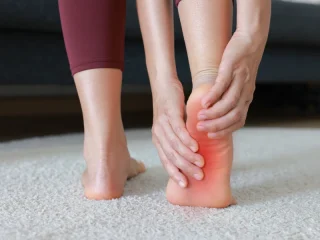
Plantar fasciitis is the inflammation and irritation of a thick band of tissue on the bottom of your foot, called the plantar fascia, which connects your heel bone to your toes. This band provides cushioning and helps maintain the arch of your foot while standing, walking, and running.
The plantar fascia can become overstretched through repeated strain, leading to small tears where it attaches to the heel bone. This can cause the classic symptom of plantar fasciitis: a stabbing pain in the heel, particularly during the first few steps after waking up.
Plantar fasciitis is the most common cause of heel pain in adults. It can affect very active individuals, as well as people who spend long periods standing or performing less active, weight-bearing work.
What is a Heel Spur?

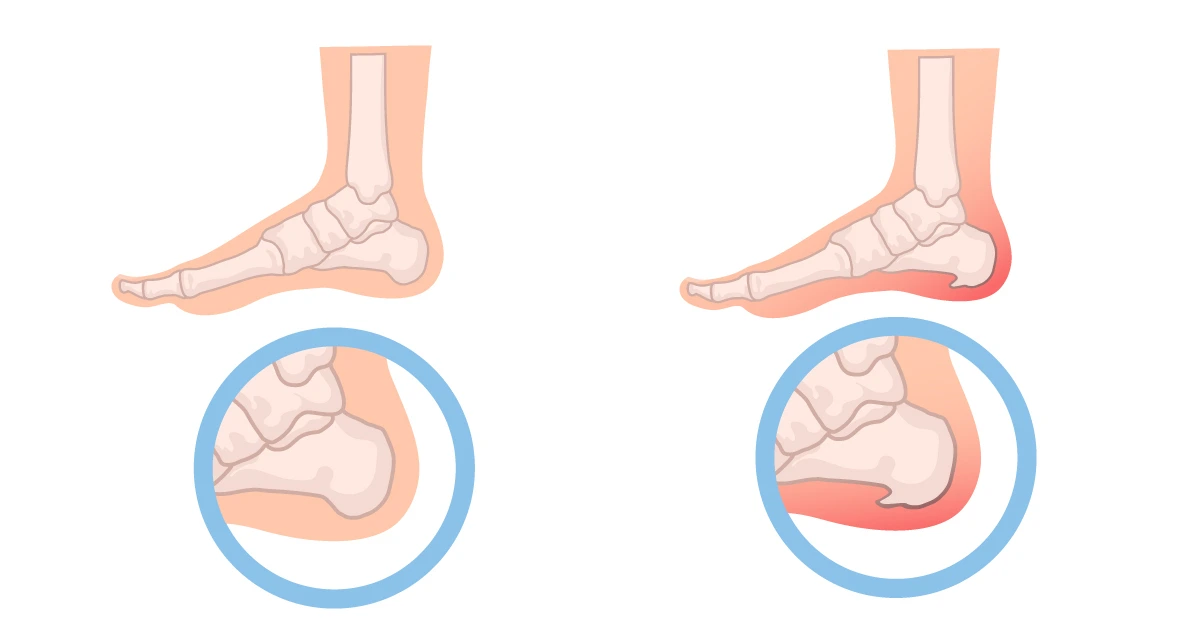
A heel spur is a small calcium deposit (or bony prominence) that develops on the bottom of the heel bone, typically at the point where the plantar fascia attaches. It is a slow-onset process that can take months to develop as a result of sustained tension and strain at that attachment site.
In most cases, a heel spur does not cause any symptoms and is often discovered incidentally during an X-ray. In fact, the presence of a heel spur alone does not necessarily mean that it is causing pain. Although heel spurs are commonly found in people with plantar fasciitis, there is also a high prevalence of individuals who do not have plantar fasciitis but do have heel spurs.
Heel Spur or Plantar Fasciitis? Understanding the Difference
The difference between heel spur and plantar fasciitis is that plantar fasciitis is a soft tissue condition with inflammation and micro-tearing, while a heel spur is a bony change that is progressive, which is a common complication of plantar fasciitis.
In other words, it is probable that your pain is related to plantar fasciitis. It is common to see a heel spur along with it on imaging, but not the cause of the discomfort.
This is one of the biggest misconceptions about heel pain, and why people are looking for the difference between heel spurs and plantar fasciitis in the first place.
Plantar Fasciitis Symptoms vs Heel Spur Symptoms
Symptoms of plantar fasciitis are usually:
- A stabbing or sharp pain in or under the heel
- Pain that is usually worse with the first few steps after waking up or after a period of sitting or resting
- Aching or discomfort that improves slightly with movement but returns after prolonged walking or physical activity
- Tenderness or pain when squeezing the inside of the heel
Heel spur symptoms, where they exist, tend to be less specific:
- A vague pain in the heel, which can be more intense during longer periods of standing
- Pain or discomfort that feels similar to a bruise underneath the heel
- In many cases, there are no symptoms, and the heel spur is only found on an X-ray.
The two conditions are often accompanied by similar symptoms, so it is not always possible to distinguish the disease states from symptoms. This is one of the reasons that professional evaluation is important when your heel pain doesn’t go away.
What Is Causing Plantar Fasciitis and Heel Spurs?
Both conditions have similar risk factors such as:
- Running, walking or standing for extended periods of time causing repetitive strain injuries
- Tight calf muscles or a tight Achilles tendon
- “Flat feet” or the opposite, abnormally high arches.
- Being overweight, which can place additional stress on the plantar fascia
- Avoid worn shoes, shoes with little or no support.
- Sudden increases in physical activity, such as starting to run or returning to sports after a break
- Age-related changes, as plantar fasciitis is more common in in people between the ages of 40 and 60
Heel spurs typically develop slowly over time in response to repeated stress and tension at the attachment point of the plantar fascia. They form when the body deposits calcium in this area over time.
Do Heel Spurs Cause Pain?
This is a very common question and a straight answer is: not necessarily directly. Research has found that many people with heel spurs have no heel pain at all. This suggests that the spur itself is often not the cause of the pain.
In many cases, the pain is related to irritation of the plantar fascia rather than the heel spur itself. However, a large or unusually shaped spur may sometimes irritate the surrounding tissues and contribute to discomfort.
But it is not something that can be assumed, so a correct diagnosis is more important than attempting to make the diagnosis yourself.
How Are Plantar Fasciitis and Heel Spurs Diagnosed?
The first step is usually a physical examination and a discussion with your podiatrist or orthopedic specialist about your symptoms, including when the pain is worst and what makes it better or worse.
Typical methods of diagnosis include:
- Physical examination – applying pressure at certain spots on the heel and arch to determine where the pain is coming from.
- Heel squeeze test – Squeezing the sides of the heel to check for pain that may suggest a stress fracture of the heel bone. A sharp pain during this test may indicate the need for further investigation.
- Gait assessment – observing the way you walk to assess biomechanics problems
- X-ray imaging – An X-ray can show whether a heel spur is present, but it does not show irritation or inflammation of the plantar fascia.
- Ultrasound or MRI – In some cases, ultrasound or MRI may be used to assess the thickness and condition of the plantar fascia and look for other possible causes of heel pain.
It is important to note that the presence of a heel spur on an X-ray does not necessarily mean that you have plantar fasciitis. Likewise, plantar fasciitis can occur without a heel spur. Diagnosis is based on your symptoms, physical examination, and overall clinical picture rather than on a single image or test.
Comparing Plantar Fasciitis and Heel Spurs
| Feature | Plantar Fasciitis | Heel Spur |
|---|---|---|
| Definition | Inflammation or irritation of the plantar fascia | Bony growth that develops on the heel bone |
| Main Cause | Repetitive strain and micro-tearing of the plantar fascia | Long-term tension at the plantar fascia’s attachment point |
| Location of Pain | Underside or front of the heel, sometimes extending into the arch | Underside of the heel, if symptoms are present |
| Typical Symptoms | Sharp heel pain, especially during the first steps in the morning | Dull ache or, in many cases, no symptoms |
| Pain Pattern | Usually improves with movement but may return after periods of rest | Inconsistent and often unrelated to the spur itself |
| Diagnosis | Physical examination; ultrasound or MRI may sometimes be used | Usually identified through an X-ray |
| Relationship to Inflammation | Directly associated with inflammation and irritation | Not inflammatory; it is a structural change in the bone |
| Treatment Approach | Stretching, rest, orthotics, physical therapy, and other conservative treatments | Usually managed by treating the underlying plantar fasciitis rather than the spur itself |
| Recovery Expectations | Most people improve within a few months with conservative treatment | The spur itself rarely requires direct treatment |
Heel Spur Treatment
Treatment for a heel spur usually focuses on the pain and the underlying problem rather than the spur itself. This is because a heel spur is often not the actual cause of the pain.
If the heel spur is causing the pain, treatment may include:
- Footwear that provides support and cushioning to the heels.
- Foot inserts to help reduce pressure on the heel
- Anti-inflammatory treatment to help reduce irritation and discomfort
- Other treatments if the pain continues despite these measures
Surgical removal of a heel spur is rare and is usually only recommended when a heel spur is definitely known to be causing pain and is not improved by any other kind of treatment.
Plantar Fasciitis Treatment
Plantar fasciitis treatment usually begins conservatively, and then intensifies when necessary. Common approaches include:
- Activity modification (rest) and reducing high impact activity to allow the fascia to heal,
- Stretching and plantar fascia exercises for the calf and plantar fascia itself
- Supportive shoes or inserts, to alleviate stretch of fascia throughout the day.
- Applying ice to the heel, especially after activity or at the end of the day, can help relieve pain and irritation.
- Physical therapy, for a guided and structured approach to stretching and strengthening.
- Night splints to stretch the fascia overnight (gently)
- Treatments (e.g., corticosteroid injections or other interventions) will be recommended if conservative measures have not relieved symptoms after a few weeks
The majority of people improve significantly with conservative treatment of plantar fasciitis within a few months, but this varies depending on the duration of symptoms and adherence to treatment.
Plantar Fasciitis Exercises and Heel Spur Exercises
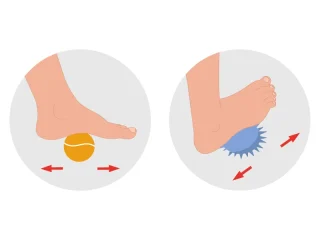
Regular, gentle stretching is one of the best ways to treat heel pain. Some of the following exercises are recommended:
Calf stretch against a wall: Stand facing a wall with one foot forward and one foot back, back heel on floor. Press chest against the wall until a stretch is felt in the calf. Repeat this a few times on each leg, holding for 20-30 seconds. This will help to alleviate tension that cascades down to the plantar fascia.
Plantar fascia stretch: Sit and place the affected foot on the opposite knee, stretching the plantar fascia. Straighten your toes back towards your shin until you feel a stretch on the arch. Repeat several times (before you take your first steps in the morning if possible), holding the stretch for 15-20 seconds each time.
Towel stretch: Sitting with the leg straight, wrap a towel around the foot of the ball. Stretch both the calf and the plantar fascia by pulling the towel towards your body, keeping your knee straight.
Rolling stretch: Take the time to roll a tennis ball, frozen water bottle or foot roller under your arch while seated for 1 minute or 2 minutes. Regularly doing this can help to relieve tension and discomfort, especially.
In most cases, these exercises can be performed when you’re experiencing mild to moderate discomfort, but if you’re experiencing a lot of pain, it is best to have a professional guide you rather than push through the pain yourself.
When to Seek the Advice of a Podiatrist or Orthopedic Specialist?
Heel pain is usually mild and gets better with rest and simple stretching exercises and does not require urgent medical attention. But, if these situations arise, it’s best to consult with a podiatrist in Abu Dhabi or an orthopedic specialist:
- You have had heel pain for more than a few weeks despite trying home treatments.
- The pain is severe enough to affect the way you walk or work.
- You feel swelling, redness, or warmth around the heel area
- The pain started suddenly after an injury rather than developing gradually.
- You have tried conservative treatment for several weeks without seeing any improvement.
A specialist can help determine whether your heel pain is caused by plantar fasciitis, a heel spur, or another condition. They can then recommend a heel pain treatment plan based on the actual cause of your pain, rather than using the same treatment for everyone
What Can You Do to Avoid the Recurrence of Heel Pain?
Once your heel pain has improved, a few simple habits can help reduce the chance of it coming back:
- Change shoes on a regular basis, especially athletic shoes
- Continue calf and plantar fascia stretches even after your symptoms have improved.
- Try not to increase activity level or mileage too quickly
- Always keep a healthy weight to avoid continual stress on the feet
- Wear good insoles if you have flat feet or high feet.
- Warm up adequately before exercising, particularly running
Frequently Asked Questions
How do I know if I have plantar fasciitis or heel spurs?
It can be difficult to tell the difference based on symptoms alone because a heel spur may not cause any symptoms at all. Plantar fasciitis is usually diagnosed through a physical examination and by looking at your symptoms, while a heel spur can be seen on an X-ray. If you are unsure what is causing your heel pain, the best option is to have it checked by a specialist.
What is the heel squeeze test for plantar fasciitis?
The heel squeeze test is done by gently squeezing both sides of the heel. If this causes sharp pain, it may point to a stress fracture rather than plantar fasciitis. Plantar fasciitis does not usually cause sharp pain when the sides of the heel are squeezed
What happens if you keep walking on a heel spur?
A heel spur itself may not cause any pain, so walking on it does not necessarily cause further problems. However, if you also have plantar fasciitis, continuing to put pressure on the foot may make the pain worse. If walking is painful, it is better to reduce activities that aggravate your symptoms and speak with a specialist.
What is the main cause of plantar fasciitis?
Plantar fasciitis is usually caused by repeated stress on the plantar fascia. This can happen from activities such as running, prolonged walking or standing, or suddenly increasing your activity level. Other factors, such as tight calf muscles, flat feet or high arches, being overweight, and wearing shoes with poor support, can also increase the strain on the plantar fascia.
What is stage 4 plantar fasciitis?
There is no standard staging system for plantar fasciitis. Some healthcare providers use four stages, while others use three, and some do not use stages at all.
When a four stage system is used, stage 4 generally refers to a more long-term or advanced form of the condition. At this point, the pain may become more persistent and may no longer only occur with the first few steps in the morning. The plantar fascia can also undergo changes from repeated stress over time. Depending on the symptoms, a more involved treatment approach may then be needed.
Conclusion
Although plantar fasciitis and heel spurs often occur together, they are two separate conditions. The presence of a heel spur is not necessarily a sign of plantar fasciitis, even though both affect the heel. In many cases, the pain is related to irritation or damage to the plantar fascia, while the heel spur itself may be harmless and cause no symptoms at all.
Therefore, if you have been experiencing heel pain that is not going away on its own, you need to get assessed by a professional. Our Canadian Medical Center specialists will prescribe the appropriate treatment for your condition, whether it is plantar fasciitis or heel spurs, not only to alleviate the pain, but also to reduce the damage to tissues.

 Call Us