
Table of Contents
- Corns and Calluses: Key Differences Explained
- What Is a Callus on the Foot?
- What Is a Corn on the Foot?
- Common Causes of Corns and Calluses
- How Are Corns and Calluses Treated?
- When Should You See a Podiatrist?
- Frequently Asked Questions About Callus or Corn
- Expert Care for Persistent Corns and Calluses
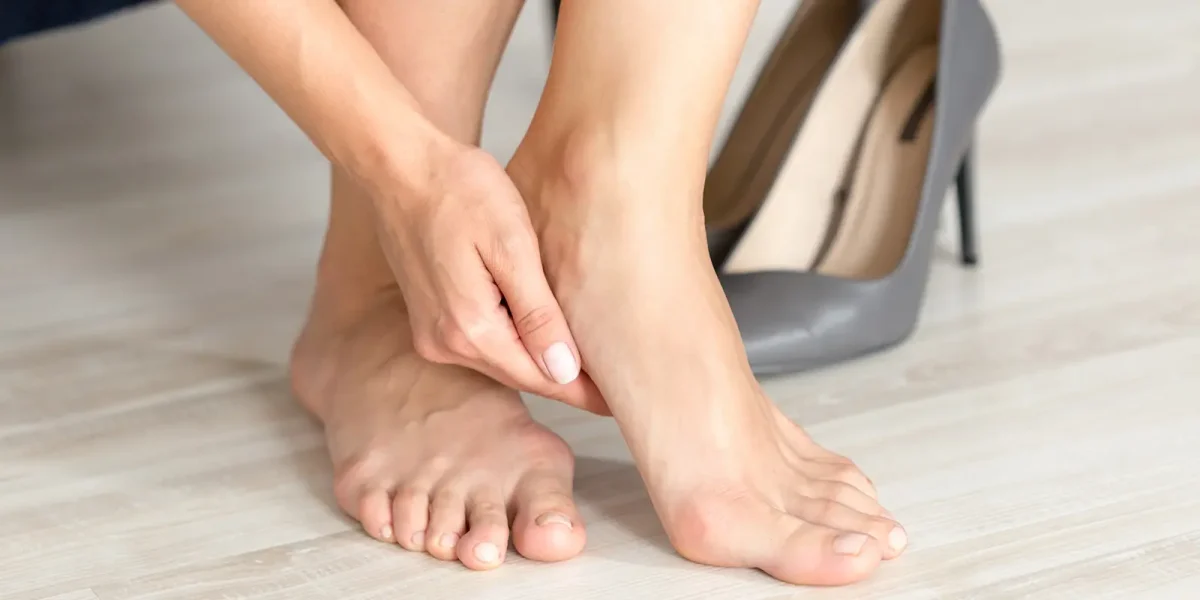
A small patch of hard skin on your foot may seem like a minor inconvenience, but when it starts to hurt every step, you may wonder what is really causing it. Is it a callus on the foot or a corn? Although corns and calluses can look similar, they are not the same. Both develop in response to repeated pressure or friction, but they can appear in different areas of the foot and cause varying symptoms.
Understanding the difference between a callus and a corn can help you identify the possible cause of your foot discomfort and determine the right approach for treatment. In many cases, reducing the pressure and friction allows the affected area to improve. However, if the pain persists, worsens, or keeps coming back, seeking professional advice can help identify the underlying cause and prevent the problem from recurring.
Corns and Calluses: Key Differences Explained
The difference between a corn and a callus is only based on size, appearance, and the way pressure is distributed across the foot. A callus on the foot typically is a larger area of thickened skin and is commonly found on the soles, heels, or balls of the feet. Calluses tend to be larger, more spread out, and rough or dry to the touch.
The corn itself is generally smaller and more concentrated. May be hard in the middle and is often found between the toes, or a corn on the bottom of the foot may develop if pressure is concentrated on one area of the sole. They’re both caused by rubbing and pressure, but how much and where that rubbing and pressure is applied can help make the decision on whether a corn or callus develops.
What Is a Callus on the Foot?
When skin is repeatedly subjected to pressure or friction, a callus develops. The outer layer of skin then gets thicker and is less effective at protecting the underlying tissues.
A callus on foot can be rough, dry or firm to the touch. It can be slow to develop and may not be painful initially. But a larger area or a thick area might get uncomfortable, especially when walking or standing for a long time.
Common Locations of a Foot Callus
A foot callus is usually found on:
- The heel
- The sole
- Areas around the toes
- Other weight-bearing areas
- The bottom of the foot.
Calluses can form in people who stand for extended periods of time, walk often or wear shoes that put pressure on certain areas.
What Does a Painful Callus on the Foot Feel Like?
A painful callus on the foot can be tender, sore or uneasy when pressure is put on it. Thickened skin may make walking uncomfortable if it is constantly rubbing against the floor or shoes.
If the pain continues even after trying different shoes or avoiding pressure, it’s recommended to get the area evaluated by a professional. Sometimes, foot pain can be caused by a mechanical problem that requires correction.
What Is a Corn on the Foot?
A corn is a small, hard bump that forms due to repeated pressure or rubbing. A corn is not like a regular callus; it is generally well-defined and has a hard center.
A corn will occur more often, especially in toes, due to the pressure that can result from narrow or ill-fitting shoes.
Where Can Corns Develop?
Corns may develop on:
- The tops or sides of the toes
- Between the toes
- The tips of the toes
- Pressure points on the sole
- Areas affected by abnormal foot mechanics
A corn on the bottom of the foot may develop when a particular area of the sole repeatedly receives concentrated pressure during walking.
Common Causes of Corns and Calluses
Causes of corns and calluses are very similar.
Tight or Poorly Fitting Shoes
Tight shoes can rub against your toes and cause rubbing. High heels can also push the weight forward onto the foot, around the ball of the foot and the toes.
However, shoes that are too loose can cause the foot to slip in the shoe, which would increase friction.
Repetitive Pressure
Repeated pressure to a specific area of the foot, like walking or running, standing for extended periods, or activities that repeatedly stress a specific area of the foot, can play a role in skin thickening.
Foot Structure and Walking Pattern
Recurring corns and calluses can be caused by foot structure and uneven pressure while walking. Bunions, toe deformities, flat feet, high arches, and other structural issues can place extra pressure on certain areas.
Simply removing the thickened skin may offer temporary relief but may not prevent it from returning.
How Are Corns and Calluses Treated?
Treatment will be determined by the severity of the corn or callus and the cause of repeated pressure or friction.
Reduce Pressure and Friction
Shoes should be comfortable, fit well, and allow ample space for toes. Pressure and friction can also be minimised by wearing cushioned socks and protective pads.
Keep the Skin Moisturized
Moisturize feet frequently to help soften dry, thickened skin. But if the pressure continues, it will not stop a corn or callus from recurring.
Professional Callus Removal
If the callus remains or is very thick, you may need to seek professional callus removal. A health care provider can skillfully take out extra hardened skin and determine causes of a return. Don’t cut or shave corns and calluses with a knife or razor.
Corn on Toe Treatment
In most cases, footwear adjustments, pressure changes, protective padding, and professional removal, if necessary, can be part of a corn on toe treatment.
When Should You See a Podiatrist?
Most corns and calluses can improve with simple care, but you should seek professional advice if the area becomes painful, inflamed, keeps coming back, or affects your walking. If you are unsure whether it is a corn or callus, a professional assessment can also help.
A podiatrist can examine the area, identify the cause, and recommend the right treatment. An Orthopedic specialist may be needed if an underlying foot or musculoskeletal problem is involved. If you have ongoing foot or heel pain, learning about Plantar Fasciitis vs Heel Spur and common causes of Heel Pain may also be helpful.
Frequently Asked Questions About Callus Or Corn
How do I know if it’s a corn or callus?
A corn is typically smaller, more contained, and may have a hard center. The callus typically is wider and looks like an area of thickened skin, usually in a weight-bearing area on the foot. If you are not sure, a health care provider will be able to confirm the diagnosis.
Are corns and calluses painful?
Some corns and calluses will not have symptoms; some will be tender or painful when pressure is put on them. The thicker the skin, the more likely it is to become painful if the skin is continually rubbed or pressed.
What causes corns on the toes?
Repeated pressure and friction often cause corns to develop on the toes. Corn can develop because of tight shoes, narrow toe boxes, high heels and toe deformities, which put pressure on certain toe parts.
What causes calluses on the feet?
Calluses usually develop due to repeated friction and pressure on the feet. Common causes include poorly fitting shoes, prolonged standing, repetitive activities, foot structure, and changes in the way you walk.
When should I see a podiatrist for a corn or callus?
If the area remains painful, keeps recurring, becomes red or swollen, affects your ability to walk, or does not improve after reducing pressure and friction, seek professional advice from a podiatrist. If you have diabetes, consult a healthcare professional before attempting to treat corns or calluses on your feet.
Expert Care for Persistent Corns and Calluses
Knowing the difference between callus and corn is the beginning to solving common foot problems. Although both are typically associated with pressure and friction other factors such as shoe, foot shape or gait may be responsible for the frequent or painful pressure points.
For any recurrent foot pain or professional treatment of callus, visit Canadian Medical Center. A thorough evaluation will aid in discovering the reason behind the corns or calluses and the best treatment to use for your feet.

 Call Us