
Table of Contents
We all are fond of the skin that looks perfect on the outside. No creases, forehead lines or wrinkles. But no one stays the same forever. It’s a natural cycle. With time especially after your 30’s, skin begins to lose elasticity and produce less collagen. When collagen breaks down, your skin loses moisture and elasticity, resulting in fine lines and wrinkles.
However, both are different terms and have their own reasons for appearing. Apart from aging, your lifestyle, diet, sun damage, stress, pollution and repetitive facial expressions can also result in premature facial aging. But before you proceed with the solution, it’s important to learn the difference between both so you can make the right decision to restore healthier skin.
At Canadian Medical Center, our experts help you understand exactly which type of skin concern you’re dealing with, and guide you toward the most effective, personalized treatment to restore your skin’s natural glow.
What are Fine Lines?
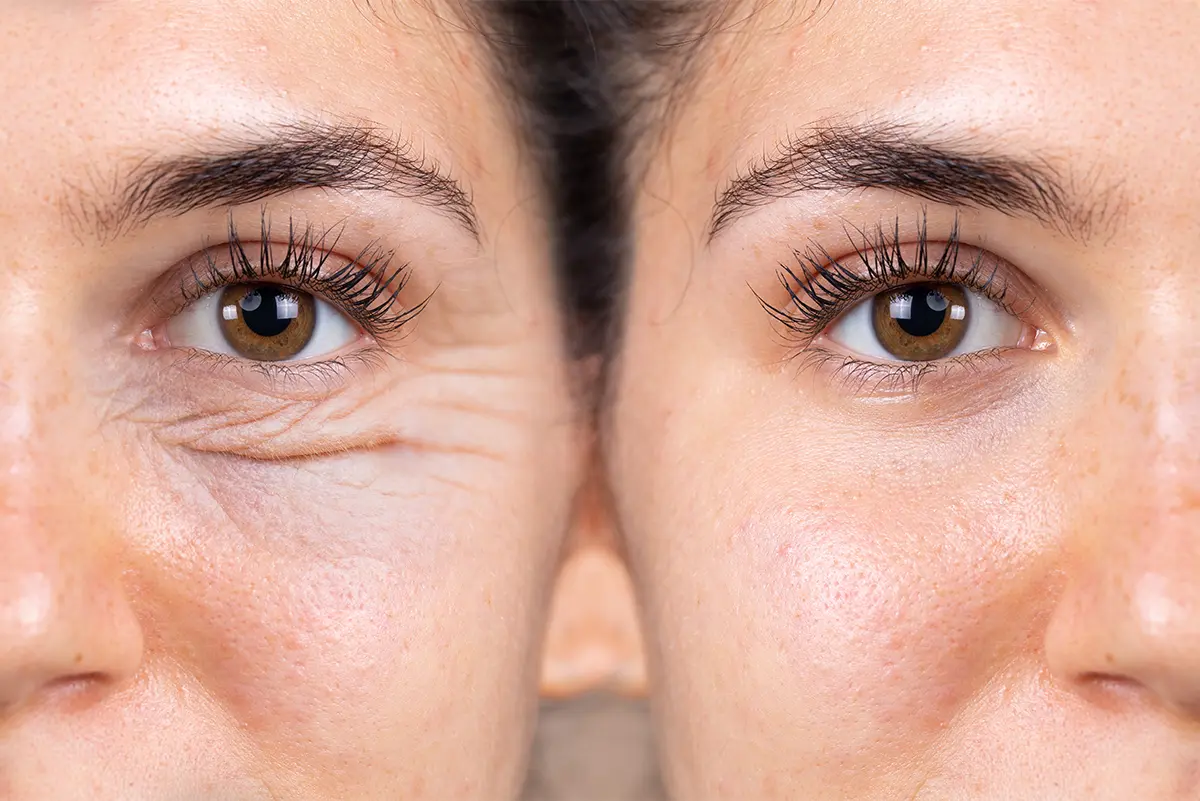
Fine lines are the early clues of the skin changing its flow. They are not deep but appear as small and shallow creases that sit on the surface of your skin. You may see it around your eyes, mouth, forehead or between the brows; areas with repetitive movements. Sometimes, fine lines aren’t the sign of aging but can be the result of underlying issues. But as soon as you start observing it, you can prevent it through anti-aging treatments.
What are Wrinkles?
Unlike fine lines, wrinkles are deep and carry more weight. They can appear on any part of the body most commonly forehead, crow’s feet around the eyes and lip lines. They don’t fade even when your face is in resting shape. Wrinkles take years to develop and each wrinkle carries a deeper story of how your skin has adapted through every event of life. While wrinkles are more permanent than fine lines they can still be reduced with a consistent skincare routine or wrinkle prevention treatments like Softwave skin tightening and other non-surgical treatments.
What Causes Fine Lines and Wrinkles?
Fine Lines and Wrinkles are part of skin aging. They mostly appear after 25 or 30 years of age but for some people it can even appear before it due to other factors like sun exposure, lifestyle, repetitive facial expressions, dehydration and not taking care of skin when it starts showing the early signs. Let’s talk about these factors in detail.
Natural Skin Aging
With age, our skin loses the building blocks that keep it smooth and youthful. Collagen and elastin, the proteins responsible for skin’s firmness and elasticity, gradually decline, making the skin thinner and less flexible. As a result, fine lines begin to appear and may eventually develop into deeper wrinkles.
Sun Exposure
UV rays are one of the leading causes of premature skin aging. You must have noticed that people who had remained under the sun for a longer period of their life have deeper folds, fine lines and wrinkles as compared to those who remain indoors. Prolonged sun exposure damages collagen fibres and accelerates the formation of forehead wrinkles or uneven skin.
Lifestyle
Your daily habits count in your lifestyle. Factors like poor sleep, dehydration, stress levels, pollution and smoking affects circulation and repair of the skin resulting in losing flexibility, brightness and firmness. Also, they can make wrinkles appear earlier than expected.
Genetics
Your genetics influence how your skin ages. Some people naturally maintain firmer skin for longer, while others may develop fine lines on face at an earlier age. Although genetics cannot be changed, a healthy lifestyle and personalized skincare routine can help slow the visible signs of ageing.
Fine Lines and Wrinkles Treatment
The first time you notice wrinkles on your face can come as an unexpected surprise and make you wonder “how to reduce wrinkles on face.” While this change is a part of aging, there are still natural and aesthetic treatments to reduce fine lines and wrinkles.
For natural methods you can start with changing your daily habits such as:
- Quit smoking
- Take adequate sleep (6-8 hours)
- Stay hydrated
- Have a protein-based diet (fish, eggs, lean meats, poultry)
- Avoid polluted environment and keep yourself away from dust
- Use sunscreen to protect your skin from sun damage
If your wrinkles aren’t preventable with these methods, you can also opt for non-surgical or anti-aging treatments for a quick solution.
Forehead wrinkles, on the other hand, are a bit stubborn. Once they become established, natural remedies and skincare alone are often not enough to reduce their appearance. Let’s learn the ways to prevent forehead wrinkles.
How to Remove Forehead Wrinkles?
There are several procedures to remove forehead wrinkles but the best approach depends on their severity, skin type, and whether the lines are dynamic (caused by muscle movement) or static (visible even when your face is at rest). Considering these, below methods can be used for forehead wrinkles.
Dysport and Botox
For dynamic forehead wrinkles, wrinkle-relaxing injectables such as Botox and Dysport are among the most effective non-surgical treatments. They temporarily relax the muscles responsible for repeated facial expressions, smoothing existing lines and helping prevent them from becoming deeper.
Read more: Dysport vs Botox
Sofwave Skin Tightening
If your forehead wrinkles are caused by collagen loss and skin laxity, Sofwave Skin Tightening is an excellent non-invasive option. Using advanced ultrasound technology, Sofwave stimulates your body’s natural collagen production to improve skin firmness, reduce wrinkles, and create a smoother, more youthful appearance without surgery or downtime.
Microneedling
Microneedling creates controlled micro-injuries that stimulate collagen and elastin production, improving skin texture and reducing mild to moderate forehead wrinkles over time. For deeper concerns, Morpheus8 combines microneedling with radiofrequency (RF) energy for more noticeable firmness and texture improvement.
Most Asked Questions about Fine Lines and Wrinkles Prevention
Can forehead wrinkles be removed without surgery?
You can’t stop the natural process of aging but you can slow the development of forehead wrinkles by taking care of your skin, maintaining a consistent skincare routine and protecting yourself from the sun. While, all these are natural methods but for best solutions, you can also opt for Botox and Dysport treatment or Softwave Skin Tightening. They are non-invasive methods and help slow down forehead wrinkles while giving support to the skin it requires. Also, products that contain retinol, peptides, hyaluronic acid, and vitamin C improve hydration and support collagen production.
Should I treat fine lines before they become wrinkles?
Treating fine lines early is one of the most effective ways to maintain youthful, healthy-looking skin. Fine lines are often the first visible signs of aging. Addressing them early can help slow their progression and reduce the likelihood of developing deeper, more permanent wrinkles.
Early treatment also allows you to take a preventive approach rather than waiting until wrinkles become more difficult to manage. A combination of good skincare habits and professional Anti-Aging Treatments can help improve skin texture, boost collagen production, and keep your skin looking smoother for longer. For more noticeable concerns, professional treatments like Softwave Skin Tightening or microneedling can deliver faster and lasting results.
When should I consider professional treatment for forehead wrinkles?
Wrinkles don’t appear all of a sudden. They take time to evolve. However, when you start noticing that the forehead lines become more noticeable despite a consistent skincare routine, it’s high time to consult a Dermatology specialist. You should also seek consultation if your forehead lines are visible even when your face is relaxed.
If you’re looking to prevent wrinkles at the initial stage, Canadian Medical Centre (CMC) can help you evaluate your skin condition and recommend personalized anti-aging treatments or therapies to give you a nourishing and smoother looking skin.
Which vitamin is best for wrinkles?
There’s not a specific vitamin but a combination of vitamins that supports collagen production and can give the results if you want to treat wrinkles through natural methods. Let’s learn about them in detail:
- Vitamin C: Found mostly in citrus fruits, it’s one of the most effective vitamins for a healthy-looking skin. Also, known as ascorbic acid, it serves two critical functions; protection and restoration.
- Vitamin A: Available in the form of retinoids, it’s a widely recognized vitamin that can transform skin texture by stimulating collagen production. Other than skincare products, you can find vitamin A in eggs, milk, fish and beef liver.
- Vitamin E: It’s a powerful antioxidant that helps protect the skin from environmental damage and supports the skin’s natural moisture barrier. When combined with Vitamin C, it can enhance protection against UV-induced skin ageing.
Considering these, vitamins can play an important role in reducing wrinkles or fine lines but they are only applicable in the early signs of aging. Deeper forehead wrinkles and static facial lines often require professional treatments that stimulate collagen production or relax the muscles responsible for expression lines.
Conclusion
Fine lines and wrinkles are both natural parts of the ageing process, but understanding the difference allows you to choose the right treatment at the right time. Early intervention, healthy skincare habits, and professional aesthetic procedures can all help maintain smoother, firmer skin for years to come.
If you’re considering personalized anti-aging treatments, the specialists at Canadian Medical Center can recommend solutions that align with your skin type and aesthetic goals.

 Call Us