
This article will tell you about electrolysis vs. laser hair removal. Women know that shaving can give them bumps and make hair grow back thicker. Waxing and tweezing can hurt, and some creams can cause burns if you’re not careful. There are different ways to remove body hair, but they only last a little while. When you pull, pluck, or use chemicals, the hair comes back in a few weeks. If you want hair removal that lasts longer, you could try between laser hair removal vs electrolysis.
This is where dermatologists’ innovations come in, introducing electrolysis and laser hair removal methods. With that said, let’s talk about all the stuff you must know about electrolysis vs laser hair removal treatments.
Electrolysis Hair Removal
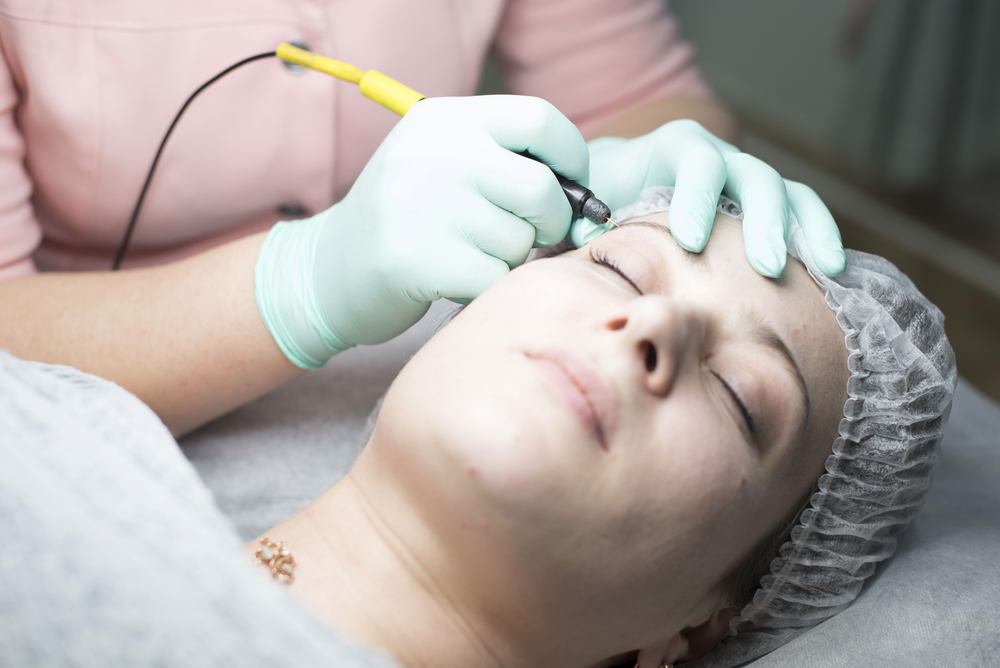
Between electrolysis hair removal vs laser, electrolysis is approved by the FDA as a permanent solution. It works by using a device that inserts a tiny probe into the skin and sends short radio waves to damage hair follicles and stop new hair from growing. This method is a perfect fit for all skin and hair types. It can be used on any part of the body, including the eyebrows. This makes it a lengthy procedure between laser hair removal vs electrolysis. To achieve the best results, you will need multiple follow-up appointments, usually about 8 sessions lasting 15 to 30 minutes each over 6 weeks. This can reduce hair follicles by 75% to 90%.
Laser Hair Removal
Between electrolysis vs. laser hair removal, laser treatment uses high-heat lasers to damage hair follicles, which slows down hair growth. It works best on people with fair skin and dark hair and can target almost any area of the body, except around the eyes. While the results last longer than shaving, they are not permanent. You need to have around 10 to 18 sessions, spaced 3 to 4 weeks apart. Each session takes about 30 minutes to 1 hour and can reduce about 35% of hair follicles. This makes it an easy method between electrolysis hair removal vs laser. When hair does regrow, it tends to be finer and lighter. There is little to no recovery time needed, so you can go back to your normal activities right away.
Procedure of Electrolysis Hair Removal
Let’s talk about this permanent hair removal procedure in detail.
Consultation and Initial Assessment
Whatever you choose between laser hair removal vs electrolysis, before the treatment you will consult an electrologist. He will examine your skin and hair types. He will ask you about the area you want to treat. Then he will explain to you the procedure, results you can expect, and any risks that could be involved. The electrologist will perform a patch test to check how your skin reacts to the treatment. Later in the treatment he will set the intensity to your skin and hair sensitivity.
Preparation and Pre-Treatment
Don’t wax, pluck, or use epilators for 2-3 weeks before your session. You can shave since it doesn’t impact the hair follicle. Clean your skin thoroughly, but don’t put on lotions, makeup, or oils in the treatment area. Drink plenty of water and don’t consume caffeine in any form before your session to lessen discomfort your procedure will cause. The electrologist will clean the area with an antiseptic solution to help prevent infection. They will use sterile tools and gloves to keep everything hygienic.
The Procedure
Your electrologist will use a thin needle to target hair follicles without piercing the skin. They will give you low-level electric currents to heat and destroy the cells that help hair grow on your skin. After the treatment, they use sterile tweezers to remove the hair. Sessions for small areas, like the upper lip, last about 15 to 30 minutes, while larger areas can take hours over a couple of sessions.
Post-Treatment Experience
Post treatment can give you redness, tenderness, and swelling in the treated area. But you don’t need to worry because it’s normal. It usually goes away within a few hours to a couple of days. But sometimes, small scabs can also form. Don’t pick at them to stop scarring. Full healing generally takes 1-2 weeks. The hair in the treated follicles will not grow back, but for dormant hair, you need extra sessions.
Aftercare Instructions
After your procedure, you should use aloe vera gel to calm your skin. Stay out of direct sunlight, and apply sunscreen to exposed areas. Don’t use perfumes, makeup, and harsh products on the treated area. Don’t engage in sweaty activities like workouts, and stay away from pools and hot baths. If you continue to experience redness, swelling, or discomfort, reach out to your electrologist or dermatologist.
Follow-Up Treatments
Most people need weekly or bi-weekly sessions for hair removal. This is because hair grows in cycles, and only hairs that are actively growing can be treated effectively. For smaller areas, you need 8 to 12 sessions. Larger areas or areas with thicker hair might require more sessions, depending on the individual.
Cost and Accessibility
The cost depends on the size of the treatment area and the number of sessions. They are usually charged by the hour and decrease as fewer sessions are needed. At-home electrolysis machines are less effective and not approved by the FDA. People who consider home services, typically choose the laser option between laser hair removal vs electrolysis. It’s better to choose professional treatments. Following the proper procedure and aftercare can lead to permanent hair removal, leaving your skin smooth and hair-free.
Procedure of Laser Hair Removal
Let’s talk about this most commonly used hair removal method in detail.
Initial Consultation and Analysis
A dermatologist will check your skin type, hair color, thickness, and growth patterns. He can ask for your medical history as well so bring it along. You will talk about the treatment areas, how many sessions you will need, and what results to expect. Lighter skin with darker hair gets the best results. Laser hair removal also works well for darker skin tones with the right lasers.
Preparation Before the Procedure
Don’t expose yourself to sun and UV for 2-4 weeks before treatment. Don’t wax and pluck hair for 4-6 weeks before the treatment. And don’t use irritating or exfoliating skin products. Only if your electrologist allows, you can use a skin-bleaching agent for dark skin before the procedure. But don’t use anti-inflammatory OTCs like aspirin to reduce bleeding.
The Procedure
Both you and your electrologist will wear protective glasses to protect your eyes from lasers. The doctor will clean your hair area and apply numb cream before treatment. Then he will use the device to throw a strong beam of light that targets the dark pigment in the hair follicle. Its energy will kill the follicle that causes hair growth. A cooling system or gel is often used to protect your skin and reduce any discomfort. You can feel a stinging pain on thicker, darker hair such as the bikini line. In areas with finer hair such as the arms, you will feel less pain. Small areas take 5-10 minutes. Larger areas can take up over an hour.
Immediate Aftercare
Redness, mild swelling, and sensitivity are common symptoms staying there on your skin for about 48 hours. You can get sulfur-like smell from vaporized hair during the session too. So it’s best to apply a cold compress or ice packs to calm the skin or use aloe vera gel or a calming cream. Don’t use hot showers, saunas, steam rooms, or vigorous workouts. Do not apply makeup, perfumes, or harsh skincare products to the treated area. Protect the area from direct sunlight and wear SPF 30+ sunscreen daily. And don’t do waxing, plucking, or threading between sessions.
Follow-Up Treatments
Hair grows in cycles (anagen, catagen, telogen). The laser is most effective during the anagen (active growth) phase, so multiple sessions ensure all hair is treated. Sessions are spaced 4-6 weeks apart, depending on the area and hair growth rate. Most individuals require 6-8 treatments for optimal results. After the initial sessions, you need maintenance once or twice a year to address new or residual hair growth.
Cost Factors
Between electrolysis vs. laser hair removal, laser treatment is less expensive. The cost depends on the area treated, the number of sessions required, and the clinic’s pricing structure. It is considered a cosmetic procedure and is not covered by insurance. Ideal for individuals with light skin and dark hair, as the laser targets melanin in the hair. Advanced lasers (e.g., Nd YAG) can treat darker skin safely when used by skilled professionals. Blonde, gray, or white hair is not effectively treated due to the lack of pigment.
Pros and Cons of Electrolysis Hair Removal
Now that you learned about the procedures of both electrolysis vs laser hair removal treatments, let’s talk about their pros and cons of laser vs electrolysis hair removal.
| Pros | Cons |
|---|---|
| Permanent Hair Removal: Electrolysis removes hair permanently, making it a popular choice compared to laser. | Skin Darkening: Laser hair removal may leave dark spots on the skin. |
| Suitable for All Skin Types: Works on all skin tones and hair colors. | Skin Reactions: Can cause blisters or scabs that may be painful. |
| Precise Treatment: Targets each hair individually for accurate results. | Scarring Risk: May cause raised scars (keloids) in people prone to scarring. |
Pros and Cons of Laser Hair Removal
Here is a list of good and bad sides of laser hair removal treatment.
| Pros | Cons |
|---|---|
| Ideal for Large Areas: Well-suited for treating larger body areas like the back or legs. | Risk of Pigmentation: May cause dark or light spots, especially in darker skin tones. |
| Faster Results: Visible reduction after a few sessions, though maintenance may be required. | Skin Irritation: Can cause temporary bumps that usually fade; cooling treatments help. |
| Manageable Pain: Sensation is often compared to a rubber band snapping on the skin. | Mild Discomfort: May cause redness and swelling for a short time. |
Difference Between Electrolysis vs Laser Hair Removal
Laser hair removal is fast and not very painful. It works best on light skin and dark hair, and you see results in a few months. Electrolysis takes longer but works for all skin and hair types. It lasts a long time and is good for small areas. Here is a table, discussing the difference between electrolysis vs laser hair removal treatments.
Aspect |
Laser Hair Removal |
Electrolysis Hair Removal |
|---|---|---|
| Method | Uses a high-heat laser that targets pigment in the hair follicle to damage it and slow hair growth. | A fine probe is inserted into each follicle to deliver an electrical current that destroys it. |
| Suitability | Best for people with light skin and dark hair. | Works on all skin tones and hair colors. |
| Treatment Speed | Sessions last 15 minutes to 1 hour, depending on the area. | Slower process as each hair follicle is treated individually. |
| Pain Level | Feels like a rubber band snapping against the skin. | Feels like a sharp sting or bee bite. |
| Number of Sessions | Usually 6–8 sessions spaced 4–6 weeks apart. | Requires multiple sessions over 12–18 months. |
| Long-Term Effectiveness | Reduces hair density and regrowth but does not permanently stop all hair. | Permanently stops hair regrowth in treated follicles. |
| Best For | Large areas like legs, back, chest, and arms. | Small or precise areas like eyebrows, upper lip, chin, and stubborn hairs. |
| Touch-Ups | Occasional touch-ups may be needed for hormonal regrowth. | Results are usually permanent with minimal or no touch-ups required. |
Choosing Between Electrolysis vs Laser Hair Removal
Electrolysis is a good way to remove hair for a long time. It is safer with fewer side effects than lasers. You don’t need to go back for more treatments often with electrolysis. But electrolysis works slowly because it gets rid of one hair at a time. It’s best for small areas.
Laser hair removal is faster for big areas but doesn’t keep the hair away as long. Some lasers can work well on darker skin with fewer visits than older ones. Many doctors suggest laser hair removal because it’s quick and easy, but electrolysis is better for keeping hair away forever. Your choice between electrolysis vs laser hair removal depends on how fast you want results and how much work you’re willing to do afterwards.
Conclusion
Both electrolysis vs laser hair removal methods can be good. You should choose based on your skin and hair type. Electrolysis is permanent and works well for small areas. Laser hair removal is faster and good for larger areas, but you might need some touch-ups. It’s best to talk to a skin doctor to find out which is right for you. At CMC’s Abu Dhabi medical center, we help you remove unwanted hair. Our doctors are here to show you the best ways to get smooth skin. Come and visit us at our laser hair removal Abu Dhabi clinic to start feeling confident.
FAQs
Which is better electrolysis or laser hair removal?
Electrolysis is a good way to remove hair forever. It can take time and can hurt a bit. Laser hair removal works faster and is better for big areas. Talk to a doctor to help you decide what’s best for you between electrolysis or laser hair removal.
Why is electrolysis hair removal not popular?
It’s because laser hair removal takes a long time. Each hair needs to be treated one at a time. The long sessions can make it less appealing for some people who want faster results. That’s why it’s not popular between electrolysis hair removal vs laser option.
Which hurts more, laser or electrolysis?
Between laser vs electrolysis, electrolysis hurts more. It zaps each hair with electricity, which can feel like a quick sting. Laser hair removal feels more like a rubber band snapping or a little heat. How much it hurts can depend on the person and where the hair is.
What lasts longer, laser or electrolysis?
Electrolysis lasts longer.
Does electrolysis remove hair permanently?
Yes. Electrolysis is the only FDA approved method for hair removal.
Do you need a laser before electrolysis?
You don’t need laser hair removal before electrolysis. Both are different ways to remove hair.
How many sessions of electrolysis are needed?
Electrolysis is a hair removal method that needs many sessions. You may need between 8 and 30 visits over about 1 to 1.5 years. It works best on hairs that are growing.
Do celebrities get laser hair removal or electrolysis?
Laser hair removal is the easiest way to get rid of unwanted hair quickly. Most celebrities undergo this treatment to remove their body hair.

 Call Us