
Key Takeaways:
- Bleeding gums aren’t normal, especially when they happen regularly
- Gum diseases like gingivitis and periodontitis are the most common causes of persistent gum bleeding.
- Brushing too hard, plaque and tartar buildup, and vitamin deficiencies can also contribute to bleeding gums.
- Certain medications and underlying health conditions, including diabetes and blood disorders, may increase the risk of unusual gum bleeding.
- Persistent bleeding or loose teeth are signs that you should schedule a dental checkup.
- What may require urgent dental or medical attention (Heavy bleeding that won’t stop, fever, or significant swelling)
- How you can prevent gum problems with careful teeth brushing and proper care
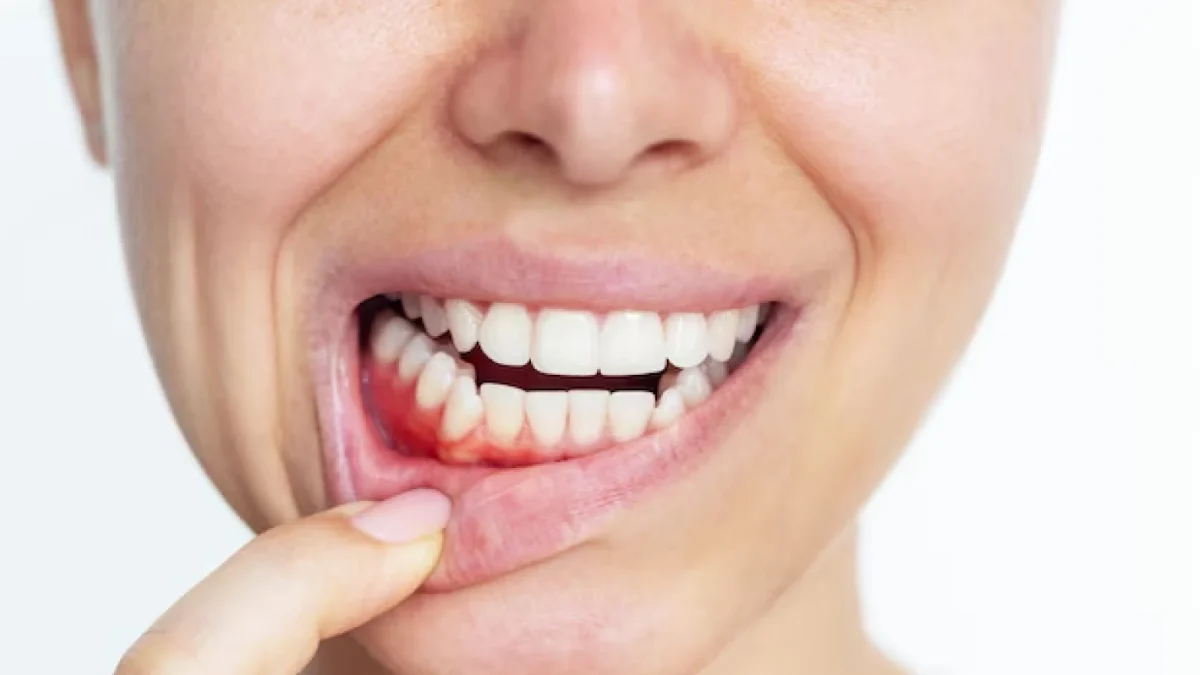
Bleeding gums have recently started occurring in people of all ages. Even though it has become quite common, it isn’t normal. Sometimes, bleeding gums can be caused by vitamin deficiencies and teeth grinding; other times it could be fluctuations in hormones or diabetes. Often they’re due to people brushing too hard, but sometimes, what makes things hard is gum disease caused by inflammation. The most common ones are gingivitis and periodontitis.
But how do you know when it’s normal and when it’s becoming a problem? If you suffer from occasional gum bleeding at unpredictable times, staying educated about it is very important. In this blog, you’ll get to learn about bleeding gum causes, treatment, and what to do for bleeding gum situations.
Table of Contents
Why Do Gums Bleed?
Your gums aren’t meant to bleed every time you floss or brush your teeth. But since gum tissue is sensitive, harsh treatment can cause it to get inflamed and bleed rather easily. For some people, that isn’t the case. Many have underlying medical conditions or hormonal fluctuations that can cause unalarmed bleeding in the gums.
The tissue of your gums is one of the most sensitive areas of the body, even eating something too spicy can cause it to cut and bleed because of the intensity. In children, bleeding gums are more common as compared to adults because they don’t know the threshold that their gums can keep up with. This is why they may end up hurting their gums frequently.
What Are the Common Causes of Bleeding Gums?
90% of adults have experienced gum bleeding in a small area of their gums more than once in their lifetimes. Around 20% of people suffer from periodontitis, which also includes tooth decay. Occasional visits for reliable Dental Checkups for Oral Health can keep gum bleeding from getting too severe. Let’s take a look at the common causes of bleeding gums:
Gum Disease
The biggest cause of the beginning of gum disease is plaque buildup. Dental plaque is the colorless film of bacteria that forms around your teeth. Regular brushing does keep it at bay, but overconsumption of foods containing sugars and starches leads to excess buildup. This leads to irritated gums and inflamed gum tissue. If this plaque isn’t removed regularly through regular teeth brushing and proper flossing, it turns into gum disease. This happens because the plaque hardens into tartar.
Initially, it turns into Gingivitis, which causes receding gums, bad breath, and frequent bleeding. If this isn’t treated early, it turns into Periodontitis. It’s a bacterial infection of the gums that starts destroying the soft tissue and the bone that supports the teeth, leading to constant bleeding and pain.
Brushing or Flossing Too Aggressively
Gum tissue is sensitive. Using too much pressure while brushing your teeth can frequently cause bleeding in your gums, specifically while brushing. If the aggressive brushing persists, gums become weaker and tend to bleed easily. If you’re not using too much pressure but are still using a hard-bristled brush, it may be causing unnecessary irritation. Along with that, flossing incorrectly may also cause small cuts on the gums, leading to gum bleeding.
The simple bleeding gums treatment for this situation is to follow gentle brushing and flossing techniques to make sure you’re protecting your gums instead of harming them.
Plaque and Tartar Buildup
As we also explored above, plaque and tartar buildup are dangerous causes of gum bleeding. Even before they turn into gum disease, they can harm your gums and teeth enough on their own. Simply put, plaque itself is a bacteria that produces toxins and acids. You can keep them at bay by avoiding foods that are full of starch and sugar, and brushing gently and regularly. If an individual isn’t careful about this, the plaque turns into tartar. That’s when things start getting worse.
Tartar accumulates around your gumline. By gathering together so near to your gums, it leads to the growth of unhealthy bacteria that cause bleeding, pain, and a variety of other issues that can result in complete loss of teeth if not treated early.
Hormonal Changes
This might come as a surprise for a few, but changes in hormones make gums weaker. This can cause gum bleeding for no reason at times. In women, this can be more common due to pregnancy, menopause, and menstruation. However, even in the debates of Dental Hygienist vs Dentist, one important thing remains prominent; Taking care of gums while remaining soft and gentle with them is the best way to take care and prevent bleeding.
In teenagers, hormonal changes that occur with puberty can cause gum sensitivity and weakness, which easily leads to gum bleeding at random times. If you’re wondering how to stop gum bleeding during times like this, the best way is to eat mild, easy-to-chew foods and use a soft-bristled toothbrush. Gum sensitivity and bleeding during hormonal changes is generally temporary.
Vitamin Deficiencies and Poor Nutrition
In the majority of individuals, the leading causes of gum bleeding tends to be the deficiencies of vitamin C and vitamin K and not taking a proper, balanced diet. When a person’s nutritional charts are poor, problems arise not only in their gums but in every other part of the body as well. From hormonal imbalances to low activity levels, poor nutrition and vitamin deficiencies only create problems. Bleeding and sensitive gums are a very big problem that is a part of this.
It may also be the leading cause of bleeding gums in children. Since children often tend to prefer junk and sweets over eating healthy food, they’re more likely to have weaker gums which can cause bleeding quite easily. Eating a balanced, healthy diet can keep gum bleeding at bay.
Medications and Underlying Health Conditions
Medications have side effects, and they often end up creating a new problem while you’re taking them. In the case of bleeding gums, blood-thinning medicines can increase sensitivity and cause unusual bleeding. If you’re taking certain medications and notice your gums bleeding for no reason, try asking your doctor for an alternative after discussing your symptoms. This type of unusual bleeding isn’t only a cause of medication side effects.
Underlying health conditions such as blood disorders or diabetes can also lead to bleeding in the gums because these conditions make your body weaker, including your teeth, resulting in unexpected gum bleeding.
When Should You Get Bleeding Gums Checked?
When you first start experiencing it, it is hard to differentiate and identify whether you’re experiencing an oral health disease or another health condition. So, in this part, let’s understand when the bleeding is an actual reason to schedule a dental appointment.
Signs You Shouldn’t Ignore
It’s important to know when it’s just some light gum bleeding and when it has started becoming a problem. Although occasional gum bleeding without any underlying issues is possible, it isn’t something to be ignored. Here’s what you shouldn’t ignore:
- Even when you’re gentle, proper brushing is also causing bleeding in the gums for more than 2 weeks
- You have swollen, red, or tender gums
- Persistent bad breath
- Unexplainable weird taste in the mouth
- Your teeth feel like they’re getting loose and your gums seem to be pulling away
Ignoring these signs may lead to severity of the situation and support bacteria growth which may eventually lead to infection.
When Is It a Dental Emergency?
A dental emergency needs to be cared for immediately by visiting a clinic. If it isn’t treated right away, you may require Dental Implants. In case of a dental emergency, you may face:
- Bleeding gums accompanied with difficulty swallowing
- Uncontrollable bleeding in your gums that persists for 15+ minutes
- Bleeding that isn’t stopping after experiencing physical trauma to the jaw or mouth
- Gum bleeding along with high fever and severe pain in the jaw and mouth area
- Visible significant swelling in the mouth, gums, or jaw
Ignoring such situations can lead to much serious scenarios including tooth decay.
How Can You Prevent Bleeding Gums?
Preventing a small problem from turning into a big one is far better than looking for cures later. For gum health, this is particularly important because gums are connected to your overall mouth health, including your throat, teeth, breath, and tongue. If one thing goes out of balance, it affects all the others as well. Learn how you can prevent them:
- Brush your teeth twice in a day but use gentle brushing techniques and a soft bristle toothbrush
- After brushing with a toothpaste containing fluoride, spit out the excess paste rather than rinsing your mouth with water. This allows the fluoride to continue protecting your teeth
- Use dental floss or water flossing to remove plaque buildup and food particles that your toothbrush can’t reach
- Keep updating your toothbrush every 3 months
- Avoid overconsuming sugary and starchy foods
- Avoid excessive smoking
Although small, these preventions go a long way in keeping gum disease and bleeding away. For children, gum bleeding should also be prevented by giving them a healthy diet and having them practice healthy, occasional brushing.
Wrapping It Up
When bleeding gums keep returning and start becoming a regular part of your routine, that’s when you know it isn’t something you can continue ignoring. No persistent health issue should be ignored, no matter big or small. Gums are sensitive and deserve optimal, gentle care. Routine checkups can help keep your dental health in check, ensuring that your oral health is in great condition.
Planning your next session soon? Visit the Canadian Medical Center and get your dental assessment today.
FAQs
When should I worry about my gums bleeding?
You should worry about your gums bleeding when you have teeth feeling loose, bleeding continuing for more than 2 weeks, and swollen gums along with bad breath and taste in the mouth.
What is a stage 4 gum infection?
A stage 4 gum infection is caused by periodontitis, when bacteria and plaque buildup get so severe, it destroys the gums, periodontal ligaments, and the underlying jawbone that keeps your teeth in place.
What are the two early signs of gum disease?
The two early signs of gum disease are easy bleeding during brushing, flossing, or eating, and puffy, tender, red gums.
What will a dentist do for bleeding gums?
A dentist will first identify the underlying cause of your bleeding. After asking about your symptoms, they may even ask you to get a test for diabetes or vitamin deficiencies. If it’s due to an infection, the dentist will gently remove bacterial plaque and hardened tartar and clean your teeth.
How do I know if my gum infection is serious?
A gum infection becomes serious when you see signs of tissue destruction or facial swelling accompanied by pus, loose teeth, and severe throbbing pain. At the earliest stages, when it starts getting serious, you may notice simple inflammation or slight pain that will eventually become much worse if not treated.

 Call Us