
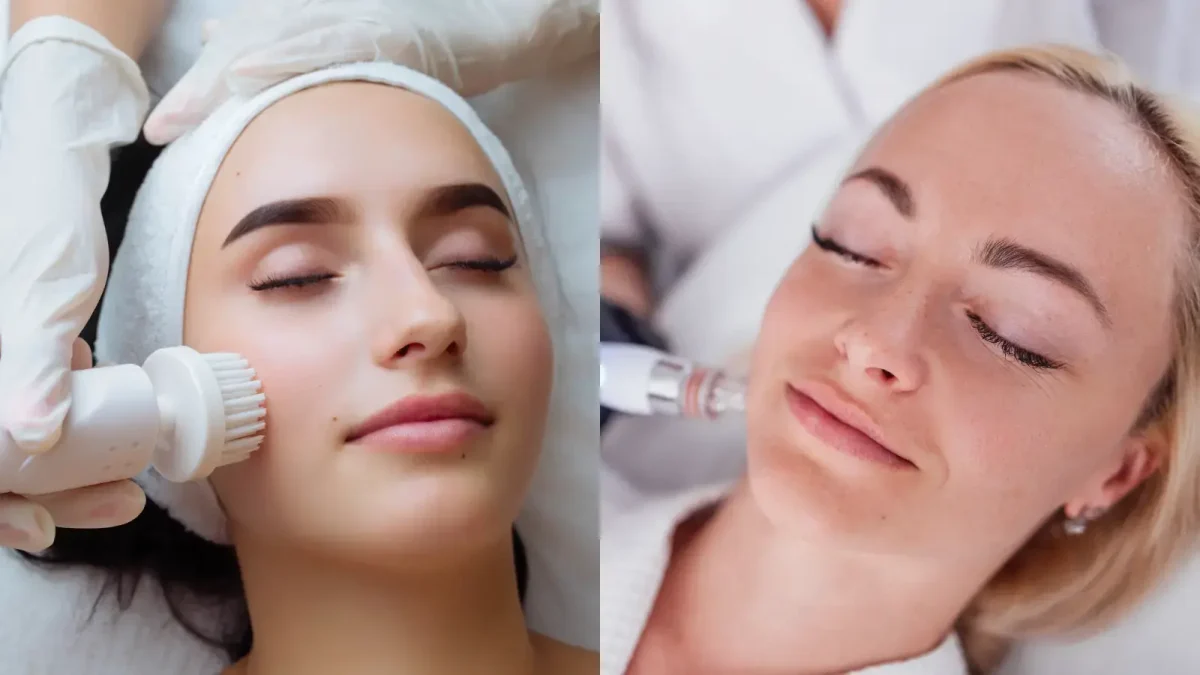
Microneedling is a popular skin rejuvenation treatment that may help improve skin texture, acne scars, and the appearance of fine lines by stimulating collagen production. However, traditional microneedling and radiofrequency (RF) microneedling work in different ways.
While traditional microneedling uses fine needles to create controlled micro-injuries in the skin, RF microneedling combines this technique with radiofrequency energy to deliver heat into targeted skin layers.
Understanding the difference between RF microneedling and traditional microneedling can help you make a more informed decision about which treatment may be suitable for your skin concerns.
Table of Contents
- What Is Traditional Microneedling?
- What Is RF Microneedling?
- Radiofrequency Microneedling vs. Microneedling: What’s the Difference?
- Which Treatment Is Better for Your Skin?
- Are There Any Side Effects or Risks?
- Who Should Avoid These Treatments?
- FAQs
- Conclusion
What Is Traditional Microneedling?
Traditional microneedling is a minimally invasive skin treatment that uses a device equipped with fine needles to create tiny, controlled punctures in the skin.
These micro-injuries trigger the skin’s natural healing response, which stimulates collagen and elastin production. Over time, this process may help improve skin texture and the appearance of certain types of acne scars, fine lines, and enlarged pores.
The treatment is commonly used to address:
- Mild to moderate acne scars
- Uneven skin texture
- Enlarged pores
- Early fine lines
- Certain types of superficial scars
The depth of treatment depends on the skin concern, needle length, and treatment settings selected by the dermatologist.
What Is RF Microneedling?
Radiofrequency microneedling, also known as RF microneedling, combines traditional microneedling with radiofrequency energy.
The device uses fine needles to deliver controlled radiofrequency energy into targeted layers of the skin. This energy generates heat, which stimulates collagen remodelling and may help improve skin texture and firmness over time.
RF microneedling may be considered for concerns such as:
- Certain types of acne scars
- Mild to moderate skin laxity
- Uneven skin texture
- Fine lines and wrinkles
- Selected cases of enlarged pores
The treatment depth and energy settings vary depending on the device and the patient’s skin concerns.
Morpheus8 is one example of an RF microneedling device. However, treatment results and suitability depend on the device settings, treatment plan, and individual skin characteristics.
Radiofrequency Microneedling vs. Microneedling: What’s the Difference?
Both treatments use microneedles and aim to stimulate the skin’s natural repair processes. The main difference is that RF microneedling also delivers radiofrequency energy, creating controlled heat within the skin.
Here is a comparison of the two treatments:
| Feature | Traditional Microneedling | RF Microneedling |
|---|---|---|
| Treatment method | Uses fine needles to create controlled micro-injuries | Combines microneedling with radiofrequency energy |
| Energy used | Mechanical stimulation | Mechanical stimulation and thermal energy |
| Treatment depth | Depends on needle length and settings | Depends on needle depth and RF energy settings |
| Common concerns | Acne scars, texture, enlarged pores, and fine lines | Selected acne scars, skin texture, and mild to moderate skin laxity |
| Recovery | Temporary redness and swelling are common | Redness, swelling, tenderness, and warmth may occur |
| Number of sessions | Often requires a series of treatments | May require a series of treatments, depending on the treatment plan |
| Cost | Generally less expensive | Generally more expensive due to the technology and treatment process |
Treatment Method
Traditional microneedling creates controlled micro-injuries that stimulate the skin’s natural healing response.
RF microneedling uses a similar approach but also delivers radiofrequency energy into the skin. The added thermal energy may help stimulate collagen remodelling and improve skin firmness.
Neither treatment is automatically better for every skin concern. The most suitable option depends on the patient’s skin condition and treatment goals.
Skin Concerns They Treat
Traditional microneedling may help improve certain types of acne scars, uneven texture, enlarged pores, and early fine lines.
RF microneedling may be considered when the treatment goal also includes improving mild to moderate skin laxity or addressing selected deeper skin concerns.
However, the suitability of either treatment depends on the type and severity of the concern. Not all acne scars, wrinkles, or pigmentation issues respond in the same way.
Results and Recovery Time
After traditional microneedling, the skin may appear red and feel warm or slightly swollen. These effects usually improve over the following days.
RF microneedling may cause similar reactions, including redness, swelling, tenderness, and a warm or sunburn-like sensation. Recovery can vary depending on the device, needle depth, energy settings, and individual skin response.
Although initial redness and swelling may settle within a few days, collagen remodelling and visible improvements can continue over several weeks or months.
Number of Sessions Required
Both traditional microneedling and RF microneedling may require multiple sessions to achieve the desired results.
The number of treatments and the interval between sessions depend on:
- The skin concern being treated
- Its severity
- The treatment device and settings
- The patient’s skin response
- The dermatologist’s treatment plan
Your dermatologist can recommend an appropriate schedule after assessing your skin.
Which Treatment Is Better for Your Skin?
There is no single treatment that is best for everyone. The right choice depends on your skin concerns, treatment goals, skin type, medical history, and tolerance for recovery time.
Traditional Microneedling May Be Considered If:
- You want to improve uneven skin texture
- You have certain types of acne scars
- You want to address enlarged pores
- You have early fine lines
- You prefer a treatment that does not use radiofrequency energy
- You are looking for a potentially more affordable option
Traditional microneedling may be suitable for some superficial skin concerns, but a dermatologist should assess your skin before recommending treatment, especially if you have sensitive or reactive skin.
RF Microneedling May Be Considered If:
- You want to improve certain types of acne scars
- You have mild to moderate skin laxity
- You want to improve skin texture and firmness
- You have selected concerns involving deeper skin layers
- Your dermatologist recommends combining microneedling with radiofrequency energy
RF microneedling is not suitable for every patient or every skin concern. Treatment settings and device selection are particularly important, and the procedure should be performed by a qualified medical professional.
Are There Any Side Effects or Risks?
Both traditional microneedling and RF microneedling can cause temporary skin reactions. Although these treatments are commonly performed in dermatology clinics, they are not risk-free.
Common Side Effects of Traditional Microneedling
Possible side effects include:
- Redness or a pink appearance immediately after treatment
- Mild swelling
- Warmth or tenderness
- Temporary skin tightness or dryness
- Minor pinpoint bleeding during or immediately after treatment
- Mild itching or peeling during the healing process
These effects generally improve as the skin heals.
Potential Side Effects of RF Microneedling
RF microneedling may cause:
- Redness and swelling
- Tenderness or a warm, stinging sensation
- Temporary bruising
- Changes in skin pigmentation, particularly in patients who are more prone to post-inflammatory hyperpigmentation
Less Common but More Serious Risks
RF microneedling may also cause complications, including:
- Thermal burns
- Scarring
- Persistent pigmentation changes
- Unwanted fat loss or changes in facial contour
- Nerve injury in rare cases
The risk of complications may be affected by the device used, treatment settings, needle depth, the treatment area, and the practitioner’s experience.
Before undergoing RF microneedling, discuss the potential benefits and risks with a qualified dermatologist. Make sure the treatment is performed using an appropriate device and settings for your skin.
Who Should Avoid These Treatments?
Microneedling and RF microneedling may not be suitable for everyone. Your dermatologist may recommend postponing treatment or choosing another option if you have:
- An active bacterial, viral, or fungal infection in the treatment area
- Active cold sores
- Severe acne inflammation or sunburn
- An active flare of eczema, psoriasis, or rosacea in the treatment area
- A history of keloid or raised scars
- A history of delayed wound healing
- Active skin cancer or suspicious skin lesions in the treatment area
- Recent aesthetic procedures in the same area that have not fully healed
Certain medical conditions, medications, or skin characteristics may also affect your suitability for treatment. A consultation is essential before proceeding.
FAQs
Is RF Microneedling Better Than Traditional Microneedling?
Neither treatment is universally better. Traditional microneedling may be suitable for certain texture concerns and acne scars, while RF microneedling may be considered when skin firmness or selected deeper concerns are also treatment goals. The best option depends on your skin and your dermatologist’s assessment.
Which Is Better for Acne Scars: RF Microneedling or Microneedling?
Both treatments may help improve certain types of acne scars. The most suitable option depends on the scar type, severity, skin characteristics, and treatment settings. A dermatologist can assess your scars and recommend an appropriate treatment.
Can RF Microneedling Tighten Loose Skin?
RF microneedling may help improve the appearance of mild to moderate skin laxity by stimulating collagen remodelling. However, results vary, and it should not be considered a replacement for surgical procedures when significant skin laxity is present.
Is RF Microneedling Worth the Extra Cost?
RF microneedling may be worth considering if your treatment goals include improving selected acne scars, skin texture, or mild skin laxity. It generally costs more than traditional microneedling because it uses additional radiofrequency technology. Your dermatologist can help determine whether the potential benefits justify the cost in your case.
Can Traditional Microneedling Achieve the Same Results as RF Microneedling?
The two treatments may produce similar improvements for some skin concerns, particularly those involving skin texture. However, they use different techniques and may not provide the same results for every concern. The appropriate treatment depends on your skin and the outcome you are hoping to achieve.
How Long Does It Take to See Results From Microneedling?
Some initial skin changes may be noticeable after the skin has recovered, but collagen remodelling takes time. Visible improvements may continue over several weeks or months, and multiple sessions may be recommended depending on the treatment plan.
Conclusion
Traditional microneedling and RF microneedling both aim to stimulate the skin’s natural repair process and improve its appearance.
Traditional microneedling uses controlled micro-injuries, while RF microneedling combines microneedles with radiofrequency energy to deliver heat into targeted skin layers.
The most suitable treatment depends on your skin concerns, treatment goals, and individual characteristics. Initial redness and swelling may settle within several days, while collagen remodelling and visible improvements can continue over several months.
A consultation with a qualified dermatologist can help determine which treatment is appropriate for your skin and establish a realistic treatment plan.
At Canadian Medical Center, our dermatology team can assess your skin concerns and guide you toward suitable aesthetic treatment options. If you are considering microneedling or RF microneedling, book a consultation with our dermatology specialists to discuss your options.

 Call Us