
Table of Contents
- What Are Skin Boosters and How Do They Work?
- What Are Dermal Fillers and How Do They Work?
- Skin Boosters vs. Dermal Fillers: Understanding the Key Differences
- Skin Booster or Dermal Filler: Which Treatment Is Right for You?
- What Happens During Skin Booster and Dermal Filler Treatments?
- Are Skin Boosters and Dermal Fillers Safe?
- Can You Combine Skin Boosters with Dermal Fillers?
- What About Loose or Sagging Skin?
- How to Choose the Right Aesthetic Treatment in Abu Dhabi
- Final Thoughts
- Frequently Asked Questions
Fewer wrinkles don’t necessarily mean the skin looks healthy and young. Sometimes, it’s dry and exhausted-looking skin. For some, it can be a progressive loss of facial plumpness, wrinkles, or facial contours. These concerns may look similar, but they aren’t always the same and may not need the same treatment.
This is where skin boosters and dermal fillers come in handy. Both are popular in aesthetic medicine, and some products contain the same active ingredient: hyaluronic acid. However, they work differently, and their results differ.
The only difference between skin boosters and dermal fillers is their function. Skin boosters mainly hydrate, improve texture, and enhance the skin’s overall feel, while dermal fillers replenish lost volume, soften facial folds, and improve facial contouring.
When choosing between skin boosters and dermal fillers, it is important to understand these differences so you can choose the treatment that best fits your concerns without unnecessarily altering your natural appearance.
What Are Skin Boosters and How Do They Work?
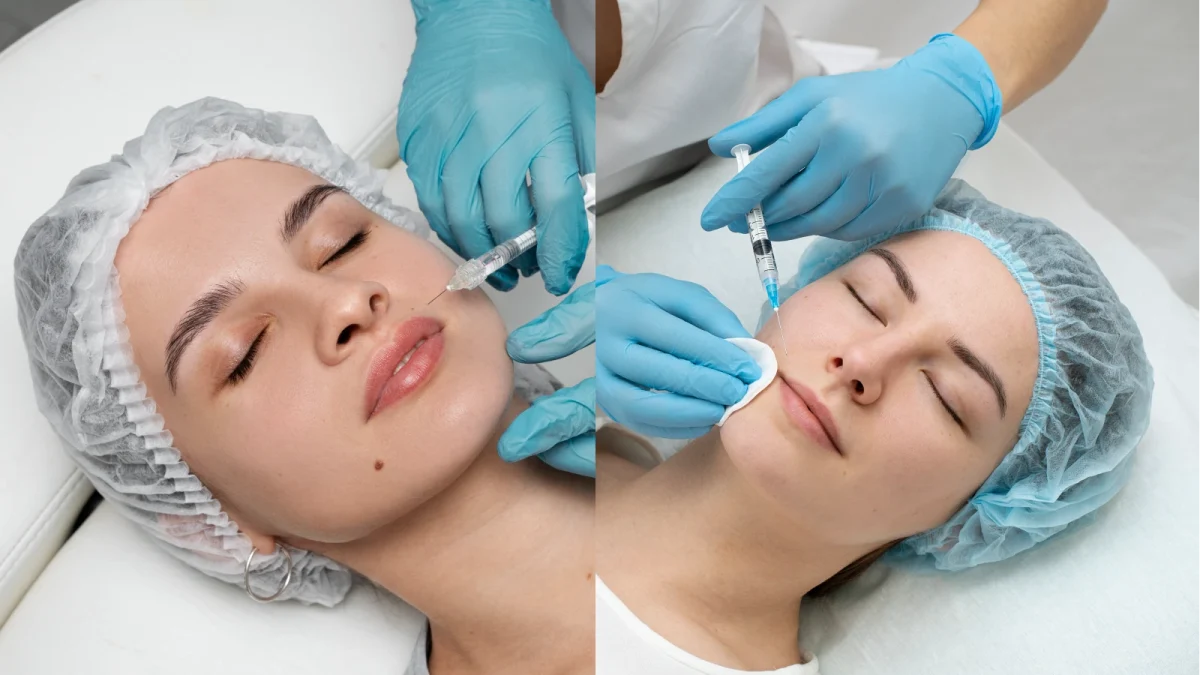
Skin boosters are cosmetic treatments that use injections to hydrate and improve skin quality. Many contain hyaluronic acid, a naturally occurring substance that helps retain moisture and keeps the skin smooth and supple.
Skin boosters are usually injected into multiple small areas to improve skin quality where they’re administered, rather than increase the volume of specific facial features.
They can be especially useful when skin looks dull, dry, or uneven due to aging, environmental exposure, and more.
What Are the Benefits of Skin Boosters?
Depending on the formulation and individual skin condition, treatment may help:
- Improve hydration and moisture retention.
- Make the skin appear smoother and softer.
- Reduce the visibility of fine dehydration lines.
- Improve dull, tired-looking skin.
- Support a more refreshed, natural-looking complexion.
People who want to improve skin quality without significantly altering facial contours may consider a Skin Booster Treatment.
However, results vary, and a professional consultation should determine the most appropriate product and number of sessions.
What Are Dermal Fillers and How Do They Work?
Dermal fillers are injections that can lift the skin and add volume beneath it, helping plump the face and treat some effects of aging.
Aging changes fat, bone, and skin in the face. The changes can make the cheeks flatter, lips less plump, and some facial creases more prominent.
In certain areas, dermal fillers can restore fullness and more balanced facial proportions.
Though they come in various forms, the most common is hyaluronic acid. For example, the product you choose for lip enhancement can differ from what you use to support cheek volume.
What Are the Benefits of Dermal Fillers?
Dermal fillers may be used to:
- Restore lost volume in the cheeks and other suitable facial areas.
- Improve lip fullness and definition.
- Soften certain deeper facial lines and folds.
- Enhance chin and facial contours.
- Improve overall facial balance.
For patients considering Lip Fillers in Abu Dhabi, the goal may be to restore lost fullness, improve lip definition, or achieve a subtle enhancement that complements their natural features.
The outcome depends on the product, injection technique, individual anatomy, and treatment plan.
Skin Boosters vs. Dermal Fillers: Understanding the Key Differences
Skin boosters and dermal fillers can both create a refreshed look, but they work differently.
The following comparison highlights where each treatment is generally most useful.
| Category | Skin Boosters | Dermal Fillers |
|---|---|---|
| Main purpose | Improve skin hydration and quality | Restore volume and improve facial contours |
| Best suited for | Dryness, dullness, and fine dehydration lines | Volume loss, deeper folds, and facial definition |
| How they work | Improve hydration within treated skin | Add volume or structural support |
| Common treatment areas | Face, neck, hands, and selected areas | Lips, cheeks, chin, and other suitable areas |
| Visible results | Usually develop gradually | Often noticeable immediately |
| Effect on facial shape | Generally preserves existing contours | Can enhance or modify contours |
| Duration | Typically several months | Often 6–18 months for hyaluronic acid fillers |
| Maintenance | May involve several initial sessions | Repeat treatment may be needed as results fade |
These are general differences, not fixed outcomes. Product formulation, technique, individual response, and treatment area can affect the results.
Skin Booster or Dermal Filler: Which Treatment Is Right for You?
The most effective approach is not necessarily the treatment that offers the most noticeable change. It is the one that addresses the underlying concern.
If Your Skin Looks Dull or Dehydrated
Skin can look tired even without prominent wrinkles or signs of volume loss.
When dehydration and uneven texture are the main concerns, skin boosters may help improve moisture levels and create a smoother-looking complexion.
This approach focuses on skin quality rather than changing facial structure.
If You Have Lost Facial Volume
As you age, your face may look different if your cheeks lose volume or the area around your mouth changes.
Dermal fillers can add volume to strategically selected areas to help address these concerns.
We determine the amount and placement of filler on a case-by-case basis to avoid excess or an unnatural look.
If You Are Concerned About Fine Lines and Wrinkles
There are different reasons for wrinkles.
When the skin is well hydrated, dehydration-related fine lines may be less obvious. If volume loss creates deeper folds, they may need different treatment, such as fillers.
Facial lines caused by expression (frowning or smiling) are typically more responsive to treatments that target muscle action.
Anyone considering Anti-Aging Treatments and Skin Rejuvenation should know the treatment process starts by identifying what is causing the visible changes.
If You Have Under-Eye Concerns
Dark circles and tired-looking eyes are common cosmetic concerns, but they can develop for several reasons.
Pigmentation, facial anatomy, skin thinning, and under-eye hollowness can each affect the appearance of this delicate area.
Dermal fillers may be considered for carefully selected cases of hollowness, but they aren’t right for every patient. Skin boosters also cannot address every cause of under-eye discoloration.
Understanding the different causes of dark circles under the eyes is important before choosing an injectable procedure.
What Happens During Skin Booster and Dermal Filler Treatments?
Both procedures involve injections, but the techniques differ.
Before the Procedure
A consultation should include an assessment of the skin, facial anatomy, medical history, and treatment goals.
The clinician should also explain the available options, possible side effects, limitations, and expected results.
During the Procedure
The clinician usually injects skin boosters into the targeted area in small amounts.
Filler injections restore volume or enhance the skin’s contours. Depending on the procedure, the clinician may use a product containing a local or topical anesthetic to make it more comfortable.
After the Procedure
Temporary redness, tenderness, bruising, and swelling are possible after either treatment.
Transient side effects of skin booster treatment include small bumps at the injection sites, and swelling after dermal fillers can temporarily change the appearance of the treated area.
Everyone recovers differently, and recovery after treatment varies based on the clinician’s aftercare plan.
Are Skin Boosters and Dermal Fillers Safe?
Both are medical procedures, so patients must be assessed, the products used must be appropriate, and the procedure must be performed professionally.
More common side effects include temporary swelling, bruising, redness, and discomfort.
Other complications may be infection, prolonged inflammation, uneven results, or nodules.
Occasionally, there can be complications with injectable fillers, such as inadvertently getting them into a vein. This can block blood flow and lead to tissue injury, decreased vision, or even stroke.
Any pain, visual changes, or whiteness, graying, or bluish discoloration of the skin after an injection is significant and should be treated as an emergency.
These are good reasons to choose an experienced medical specialist who is well-versed in facial anatomy.
Can You Combine Skin Boosters with Dermal Fillers?
Yes. You can sometimes use skin boosters and dermal fillers together, as each addresses different issues.
For instance, a person may have dehydrated skin alongside reduced cheek volume. Improving hydration alone may not restore lost fullness, while adding volume may not address skin-texture concerns.
A dermatologist can suggest a treatment plan that tackles both problems or addresses them in a sequence of carefully planned appointments.
But pairing treatments isn’t necessarily better. That should be based on the individual’s needs, medical appropriateness, and desired results.
Patients can also learn about the different types of Cosmetic Dermatology, so they know when a procedure might be suitable.
What About Loose or Sagging Skin?
One important distinction is that skin dehydration, facial volume loss, and skin laxity are separate concerns.
Skin boosters primarily focus on hydration and skin quality, while dermal fillers add volume. Neither is necessarily the best option for loose or saggy skin.
Non-surgical skin tightening treatments may be an option for certain patients.
A Sofwave skin tightening treatment uses ultrasound to stimulate collagen remodeling and can address mild to moderate skin laxity.
Treatment depends on the level of laxity, the condition of the individual’s skin, and clinical evaluation.
How to Choose the Right Aesthetic Treatment in Abu Dhabi
Start by clearly understanding the improvement you want to achieve.
If your main concern is dryness, dullness, or early texture changes, consider a skin booster. If you are looking to restore facial volume or improve definition, dermal fillers may be more suitable.
Also consider your medical history, treatment expectations, recovery time, and whether you plan to do maintenance sessions.
At Canadian Medical Center, patients can seek professional advice through the Dermatology & Cosmetology Clinic to better understand their skin concerns and available treatment options.
A personalized consultation can help determine which procedure, if any, is appropriate while keeping your facial features and long-term skin health in mind.
Final Thoughts
Skin boosters and dermal fillers may sound similar, since both use injection, but they serve different purposes.
Skin boosters improve skin appearance, hydration, and texture. Dermal fillers plump the skin and improve chosen areas of the face.
Recognizing this distinction helps avoid over-optimistic expectations and supports informed treatment decisions.
Decide what skin improvement or facial definition you want based on your concerns, not what is just in vogue.
Interested in skin enhancements or fillers in Abu Dhabi? Talk to the dermatology team at Canadian Medical Center to learn more about your options, discuss your concerns, and explore treatments that work for you.
Frequently Asked Questions
Are skin boosters better than dermal fillers?
Neither treatment is inherently superior. Skin boosters are mainly used for hydration, texture, and skin quality, while dermal fillers add volume and help with facial contouring. The best choice depends on the skin problem and desired outcome.
How long do skin boosters and dermal fillers last?
Skin boosters typically last months, depending on the product’s formulation and how you use them. Hyaluronic acid dermal fillers typically last 6 to 18 months. Duration can vary by individual, product type, and treatment area.
Can skin boosters and dermal fillers be used together?
Yes, they are both licensed for use together, if clinically appropriate. Skin boosters help improve hydration and texture, while fillers help treat volume loss. A health care provider should decide the treatment timing and plan.
Do skin boosters change the shape of your face?
Skin boosters are not used for reshaping the face. They primarily increase skin moisture and quality. Swelling is usually temporary, and dermal fillers typically enhance structure.
Which treatment is best for fine lines and wrinkles?
The ideal treatment depends on the cause of the wrinkles. Skin boosters may improve fine dehydration lines, while dermal fillers can soften certain deeper folds associated with volume loss. Expression lines may require a different approach, so we recommend a professional assessment.

 Call Us