
Table of Contents
- What Are Dark Circles Under Eyes?
- What Causes Dark Circles Under Eyes?
- What Are the Different Types of Dark Circles?
- How to Remove Dark Circles
- Professional Dark Circles Treatment Options
- Home Care vs Professional Treatment
- How Long Does Dark Circles Treatment Take to Work?
- Can Dark Circles Be Permanently Removed?
- When Should You See a Dermatologist?
- Choosing the Right Treatment for Your Under-Eye Area
- Frequently Asked Questions About Dark Circles
- Final Thoughts
Dark circles under the eyes do not always mean that you are tired or not getting enough sleep. They can remain noticeable even when you get adequate rest, as the appearance of the under-eye area can be affected by several factors, including genetics, pigmentation, allergies, sun exposure, ageing, thin skin, and natural hollows under the eyes.
The cause may be one factor or a combination of several factors, which is why there is no single treatment that works for everyone. What may help reduce dark circles caused by lack of sleep or temporary puffiness may not be suitable for pigmentation or structural hollows.
Understanding the causes of dark circles and identifying the type you have is an important first step in deciding what may help improve their appearance. Depending on the cause, this may involve simple lifestyle changes and skincare, or professional treatment options when needed.
In this guide, we explore the causes and types of dark circles, explain how to care for the under-eye area, and discuss professional dark circles treatment options and when it may be appropriate to see a dermatologist.
What Are Dark Circles Under Eyes?
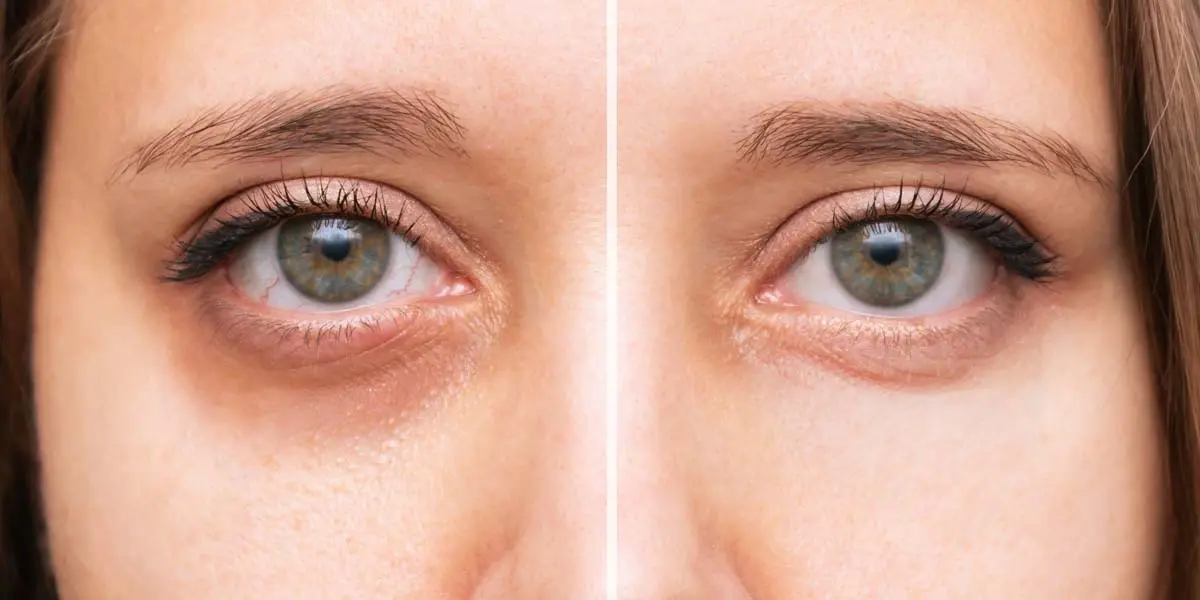
Dark circles are darker-looking areas that appear below the lower eyelids. They can be brown, blue, purple, grey, or simply appear as a shadow, depending on your natural skin tone and the underlying cause.
The skin around the eyes is naturally thin and sensitive. As a result, pigmentation, visible blood vessels, puffiness, and hollowness may be more noticeable around the eyes than in other areas of the face.
Dark circles are not usually a medical condition. They are generally considered an aesthetic concern. However, understanding what is causing them is important because different types can respond differently to skincare and treatment.
For example, if the darker appearance under the eyes is caused by a deep shadow, a product designed to target pigmentation is unlikely to address the underlying issue.
What Causes Dark Circles Under Eyes?
There are many possible causes, and they do not apply to everyone. The under-eye area can be affected by genetics, age, skin type, lifestyle habits, allergies, and facial shape.
Understanding the reasons behind your dark circles can therefore be a useful starting point before spending money on skincare products or treatments.
Genetics
Dark circles can run in families. People with deeper hollows around the eyes, very thin skin in the area, or a greater tendency toward pigmentation may have more noticeable shadows than others.
When genetics play a significant role, dark circles may appear from an early age and may remain noticeable even with adequate sleep and appropriate skincare.
Lack of Sleep
When you do not get enough sleep, dark circles may become more noticeable. When you are tired, your face may appear paler, making blood vessels and shadows under the eyes more visible.
Lack of sleep can also contribute to puffiness around the eyes, which may create a shadow underneath them.
While getting enough rest may help improve a tired appearance, it is not a treatment for dark circles caused by pigmentation, genetics, or facial structure.
Ageing and Changes in the Skin
As we age, the skin becomes thinner and the volume of facial tissues gradually changes. This can make blood vessels more visible beneath the skin and may create a deeper crease between the lower eyelid and cheek.
This hollow can create a shadow that makes the area appear darker, even when there is little change in the skin’s actual colour.
These changes are one of the reasons dark circles can become more noticeable with age.
Hyperpigmentation
Some dark circles are caused by increased pigmentation in the skin itself. They are usually brown or dark brown and may be influenced by genetics, sun exposure, or previous irritation around the eyes.
Sun exposure can stimulate melanin production, which may make existing pigmentation more noticeable. People who are naturally prone to pigmentation may therefore notice that the under-eye area becomes darker over time without adequate sun protection.
Allergies and Eye Rubbing
Allergies can cause itching, increased tearing, congestion, or swelling around the eyes. When the eyes are itchy, people often rub them.
Repeated rubbing can irritate the sensitive skin and may gradually contribute to noticeable changes in its colour. If allergies are part of the problem, treating them and reducing eye rubbing may be more helpful than simply using another eye cream.
Dehydration and Lifestyle
Dehydration can make the skin look dull and may make the area around the eyes appear more hollow.
Other factors, such as smoking, excessive alcohol consumption, chronic stress, lack of sleep, and excessive sun exposure, can also affect the healthy and refreshed appearance of the skin.
Although these factors may not be responsible for every case of dark circles, adopting healthier lifestyle habits may help reduce the visibility of existing dark circles.
What Are the Different Types of Dark Circles?
Dark circles may look similar at first, but they can result from very different changes in the skin and surrounding area.
Some are mainly related to pigmentation, some are caused by visible blood vessels, while others are actually shadows created by facial structure. Many people also have a combination of these types.
Pigmented Dark Circles
Pigmented dark circles are usually brown or dark brown because of increased pigmentation in the skin. They may be associated with genetics, sun damage, inflammation, or repeated irritation.
Because the underlying issue is related to the skin itself, treatments that focus on reducing inflammation or adding volume may not address the main cause.
Vascular Dark Circles
Vascular dark circles around the eyes are usually blue, purple, or pink. The skin under the eyes is thin, which can make the blood vessels more visible through it.
These dark circles may become more noticeable when the skin is particularly thin or when tiredness makes the surrounding skin appear paler.
Structural Dark Circles
Structural dark circles are different because the darker appearance may be caused by shadows rather than pigmentation.
A natural tear trough or loss of facial volume can create a hollow between the eye and cheek. Light interacts with this hollow differently, creating an area that appears darker.
These structural changes may become more noticeable with age, although some people naturally have deeper tear troughs from an early age.
Mixed Dark Circles
Many people have more than one type of dark circles. There may be brown pigmentation along with a prominent tear trough, or thin skin combined with some degree of puffiness.
This is why a single cream or procedure may not completely address the problem.
How to Remove Dark Circles
There are dozens of creams, home remedies, and cosmetic treatments that people may find when searching for how to remove dark circles.
The key is to focus on simple habits that address common triggers and protect the sensitive skin under the eyes.
When the area appears darker because of tiredness, puffiness, dehydration, sun exposure, or irritation, the following steps may help.
Improve Your Sleep Routine
Aim to get enough sleep and maintain a relatively regular sleep and wake schedule.
Adequate rest may help reduce the tired appearance that makes shadows and puffiness more noticeable. If fluid tends to collect around the eyes, slightly raising your head while lying down may help reduce it.
Use a Cool Compress
If the area is puffy and appears darker, a cool compress may help.
Gently place a clean, cool cloth over the eyes for a short period, and avoid applying ice directly to the skin.
The effect is usually temporary, but it may help improve the appearance of tired or puffy eyes.
Protect the Area From the Sun
Sun protection is particularly important when pigmentation is part of the problem.
Using a good-quality broad-spectrum sunscreen may help prevent pigmentation from becoming darker as a result of UV exposure. Sunglasses can provide additional protection when you are outdoors and may also help reduce squinting in bright light.
Avoid Frequent Eye Rubbing
The skin around the eyes is sensitive, and frequent rubbing can irritate it, especially if you also have allergies or dry skin.
Try to avoid touching the area unnecessarily and identify the cause of any itching or irritation. If the problem continues, a dermatologist can examine the skin and recommend appropriate care instead of using products that may cause further irritation.
Keep Your Skincare Gentle
The under-eye area does not need a harsh skincare routine.
Dry skin may benefit from a suitable moisturiser, while products intended to improve pigmentation or skin texture should be chosen carefully.
Some strong acids and other active ingredients that work well on the rest of the face may be too harsh for the sensitive under-eye area.
Professional Dark Circles Treatment Options
Home care can improve some cases, but it cannot address every cause of under-eye darkness.
If the problem remains noticeable despite appropriate daily care, professional treatment may be considered after the area has been properly assessed.
The right dark circles treatment depends on whether the main concern is pigmentation, skin quality, visible blood vessels, hollowness, or a combination of these factors.
Skin Booster Treatments
For suitable cases, treatments designed to improve skin quality may be considered when the under-eye area appears dry, thin, or tired.
A Skin Booster may be one option when hydration and skin texture are part of the concern.
Because the area around the eyes is sensitive, it is always best to have an experienced medical professional assess whether an injectable treatment is appropriate.
Dermal Fillers for Under-Eye Hollows
A deep tear trough can create a shadowed appearance under the eyes. Skincare products cannot correct the problem when it is related to a loss or lack of volume.
In suitable cases, a Dermal Filler may be used to soften the appearance of the hollow and create a smoother transition between the lower eyelid and cheek.
Although fillers may be an option for some cases of dark circles, they cannot directly remove brown pigmentation in the skin.
Treatments for Pigmentation
If brown pigmentation is the main concern, treatment should be specifically directed at the skin.
A doctor may recommend an appropriate topical treatment or professional procedure based on the type of pigmentation and the person’s skin tone.
Strong lightening products, acids, or harsh home treatments should not be used near the eyes without professional guidance, as they may cause irritation and worsen changes in skin colour.
Laser and Light-Based Treatments
Some laser or light-based procedures may be suitable for specific concerns involving pigmentation, visible blood vessels, or skin quality.
Not every treatment is suitable for every person. Factors such as skin tone, sensitivity, and the nature of the discoloration should be considered first.
A consultation at a reputable aesthetic clinic can help determine whether this type of treatment may be appropriate for you.
Home Care vs Professional Treatment
Home care is a reasonable starting point when dark circles become more noticeable because of lack of sleep, dehydration, allergies, temporary puffiness, or sun exposure.
Improving these factors and following a gentle skincare routine may be enough to make mild cases less noticeable.
However, if the problem has been present for a long time, is mainly related to pigmentation or hollowness, or has not improved despite consistent care, a professional assessment may provide a clearer answer.
Instead of moving from one eye cream or home remedy to another, try to understand why the area looks dark.
Someone with pigmentation does not necessarily need the same treatment as someone with a deep tear trough. Identifying the cause first can save time and help you avoid treatments that are unlikely to address the actual concern.
How Long Does Dark Circles Treatment Take to Work?
There is no fixed timeline because each type of dark circles can respond differently.
Dark circles that become more noticeable because of tiredness or temporary puffiness may improve relatively quickly once the underlying trigger is addressed, while pigmentation generally takes longer and requires consistent care.
Structural hollows are different because sleep, hydration, and skincare cannot change the natural shape of the area.
The timeline for professional procedures also depends on the treatment selected and the individual. Before undergoing a procedure, your practitioner should explain when changes are expected to become visible, whether more than one session may be needed, and what level of improvement is realistic.
Can Dark Circles Be Permanently Removed?
Complete and permanent removal is not always possible.
Temporary dark circles related to lack of sleep, dehydration, or short-term puffiness may improve considerably after these factors are addressed. However, genetics, pigmentation, ageing, and facial structure can continue to affect the under-eye area over time.
For this reason, it is better to focus on improving the appearance of dark circles rather than expecting one product or procedure to remove them permanently.
The most appropriate approach is one that addresses the specific cause and aims for a natural-looking improvement without unnecessary treatment.
When Should You See a Dermatologist?
You may want to see a dermatologist if your dark circles do not improve with home care, become worse over time, or are accompanied by skin irritation.
A dermatologist can assess the area, help identify the possible cause, and recommend appropriate care for your skin.
You should also seek medical advice if the change appears suddenly, affects only one eye, or is accompanied by pain, unusual swelling, or changes in skin colour.
Choosing the Right Treatment for Your Under-Eye Area
There is no single treatment that is right for every person with dark circles.
Brown pigmentation may require a different approach from a deep tear trough, while someone with mixed dark circles may need to address more than one concern.
This is why choosing a treatment should begin with an appropriate assessment rather than simply choosing the most common procedure.
At Canadian Medical Center, patients can have their under-eye concerns assessed before discussing suitable treatment options.
The condition of the skin, type of dark circles, facial structure, and individual goals can all be considered when determining what may be appropriate. This helps keep treatment focused on the actual concern rather than using the same approach for everyone.
Frequently Asked Questions About Dark Circles
What is the main cause of dark circles under the eyes?
Dark circles can have several causes, including genetics, pigmentation, lack of sleep, allergies, ageing, thin skin, and under-eye hollows.
In many cases, more than one factor may be involved.
How can I reduce dark circles naturally?
Getting enough sleep, drinking enough water, using sun protection, managing allergies, and avoiding eye rubbing may help reduce the appearance of dark circles.
Why do I have dark circles even when I get enough sleep?
Sleep is not always the cause. Genetics, pigmentation, thin skin, allergies, visible blood vessels, or natural under-eye hollows can make dark circles noticeable even when you get enough rest.
Does lack of sleep cause dark circles?
Lack of sleep can make existing dark circles more noticeable, but it is not the only cause.
Getting more sleep may not improve dark circles caused by genetics, pigmentation, or hollows.
What is the best treatment for dark circles?
It depends on the cause. Pigmentation, visible blood vessels, changes in skin quality, and under-eye hollows may require different treatments.
Identifying the cause is therefore an important first step when choosing the appropriate treatment.
Final Thoughts
Dark circles are very common and can appear for many different reasons. Lack of sleep can make them more noticeable, but genetics, allergies, ageing, skin colour, thin skin, and under-eye hollows can also play a role.
Simple habits such as getting enough sleep, drinking enough water, using sunscreen, and taking good care of your skin may help. If your dark circles do not improve, a professional assessment can help identify the cause.
At Canadian Medical Center, you can discuss your concerns and learn about dark circles treatment options that may be suitable for you.

 Call Us