
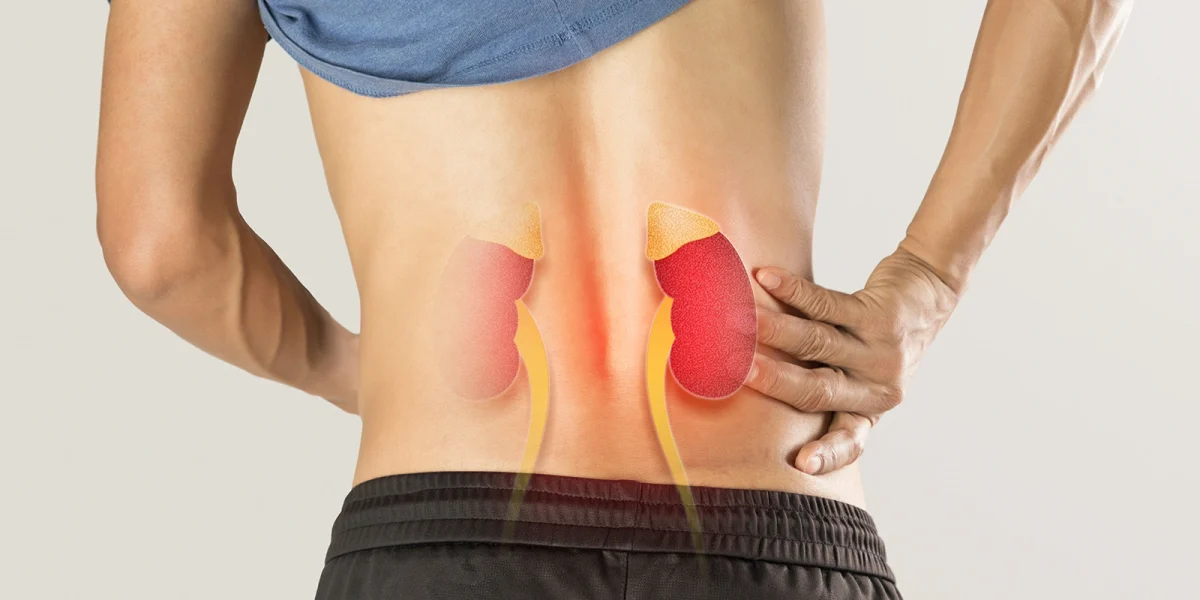
A sudden, sharp pain in your back or side can stop you in your tracks. You may feel nauseous, struggle to get comfortable, or notice changes when you urinate. One of the questions that may immediately come to mind is: Could this be a kidney stone?
There may be no symptoms at all at first, and after a long time, kidney stones may form and become very painful when they pass into the urinary tract. However, what is the cause of kidney stones and why do some people get them, while others never develop one?
It’s not just about the lack of drinking water. There are other factors, in addition to dehydration, that can increase your risk, such as your diet, family history, some medical conditions, urinary infections, and some medications. Knowing these issues can help to identify the warning signs sooner, and determine when you need to see an Urologist to get proper evaluation.
Here are some of the common causes of kidney stones, where kidney stone pain is likely to occur, symptoms you should not dismiss, diagnosis and treatment and when to see a doctor.
Table of Contents
- What Are Kidney Stones?
- What Causes Kidney Stones?
- Types of Kidney Stones
- What Are the First Signs of Kidney Stones?
- Kidney Stone Pain Location: Where Does It Hurt?
- What Does Kidney Stone Pain Feel Like?
- Symptoms of Kidney Stones You Should Not Ignore
- Kidney Stones Treatment: What Are the Options?
- When Should You See an Urologist for Kidney Stones?
- How Can You Prevent Kidney Stones?
- Frequently Asked Questions
- Final Thoughts
What Are Kidney Stones?
Kidney stones are hard deposits that form when minerals and other substances in urine become highly concentrated and develop into crystals inside the kidneys. can be as small as grains of sand or much larger. A stone that does not cause any problems may eventually become lodged in the ureter and cause significant pain and prevent urine from draining normally. That’s why kidney stones can be undetected for many years before they start to cause symptoms.
What Causes Kidney Stones?
Kidney stones are created when there’s a change in the balance of fluids and minerals in the urine. Crystals form when the urine contains too much of certain substances and they slowly build up to form stones.
This process can be caused by several factors. Some of these are associated with lifestyle, and some are due to genetic, medical, or metabolic issues.
Dehydration
If you don’t drink enough water, it can make urine more concentrated and lead to the formation of crystals, which can cause kidney stones. If you sweat heavily, work hard, or are in hot weather, or if you vomit or have diarrhea, the risk is greater. It is also important to drink a lot of fluids, particularly if you have previously suffered from kidney stones.
A High Sodium Diet
High sodium intake can lead to more calcium excretion in the urine and thus to the formation of kidney stones. Foods that are processed, fast foods, canned foods, and salty snacks tend to have a lot of sodium. Decreased excess salt intake can help prevent future stones.
Dietary Factors
What you eat can change what you pass in your urine and can help to change the risk of kidney stones. Some stones can be made more likely by excess of animal protein, added sugars and oxalate rich foods. But these dietary tips are only guidelines, depending on your type of stones, medical history, and personal risk factors.
High Oxalate Levels
In some people, urinary oxalate is a factor in the formation of calcium oxalate stones. Oxalate is found in higher concentrations in foods like spinach, nuts, peanuts, rhubarb and wheat bran. The type of stones, as well as your personal risk level, should influence your diet.
High Uric Acid Levels
Uric acid stones can occur in the urinary tract when the uric acid is elevated in the urine, particularly if the urine is acid. The risk may be higher with an over consumption of animal protein and certain conditions like gout.
Urinary Tract Infections
Some UTIs may result in struvite stones. These stones can develop rapidly and can be large enough to cause urinary infection with symptoms of stones, and recurrent urinary infections with stone symptoms should be evaluated medically.
Family History and Genetics
A family history of kidney stones can increase your risk. Rare inherited conditions can also cause certain types of stones, making genetic and family history important factors in recurrent cases.
Certain Medical Conditions
If there is a family history of kidney stones, your risk might be higher. Recurrent stones also may be significant by including certain types of stones which are rare and inherited.
Certain Medications and Supplements
Kidney stone risk is higher in people who have gout, diabetes, obesity, high blood pressure, parathyroid disorders, or certain gastrointestinal disorders. If an underlying kidney condition or reduced kidney function is also a concern, Nephrology evaluation may help identify related factors and support long-term management.
Types of Kidney Stones
Not all kidney stones are the same. Knowing what type of stone has formed can help identify its potential cause and determine how to prevent it from coming back.
Calcium Stones
Calcium stones are the most common type of kidney stones, usually made of calcium oxalate or calcium phosphate. Dehydration, high urinary calcium and high oxalate levels may contribute to their formation.
Uric Acid Stones
Uric acid stones form when urine contains high uric acid levels and is too acidic.
Struvite Stones
Struvite stones are linked to certain urinary tract infections. They can grow quickly and become large if the underlying infection is not treated.
Cystine Stones
Cystine stones are rare and occur due to an inherited condition called cystinuria, which causes excess cystine in urine and can lead to recurring stones.
What Are the First Signs of Kidney Stones?
In case you are just wondering what the initial signs of kidney stones are, it is important to know that symptoms may vary.
Many kidney stones, especially those in the kidney, do not cause any symptoms. Symptoms can develop when the stone enters the ureter or when the stone begins to obstruct urine flow.
Some initial symptoms can be:
- Pain that comes and goes in waves
- In the side or lower back pain
- Pain that spreads towards the lower abdomen or groin area
- Increased urination, or needing to urinate again quickly
- Burning or discomfort while urinating
- Burning when urinating
- Nausea or vomiting
The symptoms may also vary as the stone progresses along the urinary tract.
Kidney Stone Pain Location: Where Does It Hurt?
One of the most important things to understand about kidney stones is that the pain may not stay in one place.
The kidney stone pain location often depends on where the stone is located within the urinary tract.
Pain commonly begins in the side or lower back, usually below the ribs. As the stone travels through the ureter, the pain may move toward the lower abdomen, pelvis, or groin.
What Does Kidney Stone Pain Feel Like?
Kidney stone pain can be extremely uncomfortable and may:
- Begin suddenly
- Become intense
- Come and go in waves
- Start in the back or side
- Move toward the abdomen or groin
- Change location as the stone moves
- Occur with nausea or vomiting
This severe, wave like pain is commonly referred to as renal colic.
However, pain in the back, side, or abdomen does not automatically mean you have a kidney stone. Muscle problems, urinary infections, gastrointestinal conditions, and other health issues can produce similar symptoms.
If the pain is severe, persistent, or accompanied by other concerning symptoms, professional evaluation is important.
Symptoms of Kidney Stones You Should Not Ignore
The symptoms of kidney stones can vary depending on the stone’s size, location, and whether it blocks urine flow.
Severe Side or Back Pain
Sharp, severe pain in the flank, lower back, abdomen, or groin is one of the most common symptoms. The pain may be intense and make it difficult to sit or lie comfortably.
Blood in the Urine
Kidney stones can irritate the urinary tract, causing urine to appear pink, red, or brown. Sometimes, blood is only detected through testing.
Painful Urination
A stone moving through the lower urinary tract can cause burning or discomfort when urinating.
Frequent or Urgent Urination
You may need to urinate more often or feel a sudden urgency, especially when the stone is near the bladder.
Nausea and Vomiting
Kidney stone pain may be so bad that it causes nausea or vomiting, along with severe flank or abdominal pain.
Cloudy or Strong-Smelling Urine
Cloudy or foul smelling urine is associated with kidney stones, and may also be a sign of a urinary infection (pyuria) if there is fever or chills.
Difficulty Urinating
A stone in the urinary passage may obstruct passage of the urine. This needs timely medical treatment, especially in the case of severe pain.
Fever and Chills
If you feel feverish and have a chill, it could indicate an infection. If the urinary blockage develops along with infection it can be serious and need immediate treatment.
Kidney Stones Treatment: What Are the Options?
Treatment for kidney stones depends on the size and position of the stone, the symptoms you are having, if the urine flow is blocked and if there is an infection present.
Treatment for Small Kidney Stones
Many small stones pass naturally without surgery. Your doctor may recommend monitoring, adequate fluid intake, pain relief, and medication to help the stone pass.
Shock Wave Lithotripsy
Shock wave lithotripsy uses focused shock waves to break kidney stones into smaller pieces, making them easier to pass through the urinary tract.
Ureteroscopy
Ureteroscopy uses a small scope to reach the stone. The stone can then be removed or broken into smaller pieces for easier passage.
Percutaneous Nephrolithotomy
Larger or complex stones may require percutaneous nephrolithotomy. This procedure accesses the kidney through a small opening in the back to remove or break up the stone.
A Urologist can determine the most suitable treatment based on your condition.
When Should You See an Urologist for Kidney Stones?
It’s important to recognize the proper time to seek the advice of a urologist for kidney stones, particularly in cases where symptoms are serious or lasting. If you have any of the following:
- Severe or worsening pain
- Persistent symptoms
- Blood in your urine
- Difficulty urinating
- Fever or chills
- Recurrent kidney stones
- A stone that does not pass
- Known urinary blockage
- Signs of a urinary infection
A urologist can determine what the stone is and recommend the appropriate treatment. If you have recurring urinary concerns or want to learn more about common urinary conditions, Understanding Urology Problems can provide further information about related urological issues.
How Can You Prevent Kidney Stones?
Understanding the causes of kidney stones is an important step toward prevention, especially if you have had stones before.
Drink Enough Water
Staying well hydrated helps dilute substances in your urine that can form crystals. Your fluid needs may vary based on your health, activity level, climate, and stone history.
Reduce Excess Sodium
Limiting salt intake can help reduce urinary calcium levels and lower the risk of certain calcium stones. Try to limit highly processed and salty foods.
Follow an Appropriate Diet
Dietary changes should depend on your stone type and individual risk factors. A Dietitian & Nutrition professionals can help you create a balanced diet plan based on your specific needs and kidney stone risk.
Do Not Eliminate Calcium without Medical Advice
Completely avoiding calcium may not prevent kidney stones. Adequate dietary calcium can help bind oxalate in the digestive system and may reduce its absorption.
Follow Up After Treatment
If you have recurrent stones, your doctor may recommend blood or urine tests to identify the cause. Knowing your stone type and risk factors can help make prevention more effective.
Frequently Asked Questions
Will kidney stones recur after treatment?
Yes. If there are some factors like dehydration, diet, genetics or medical problems, kidney stones can return. Determining the cause and following a prevention plan can help minimize the risk.
Does Dehydration lead to an increased risk of kidney stones?
Yes. Dehydration increases the concentration of urine making it easier for crystals to form. Drink plenty of liquids to reduce the risk.
What are the symptoms of kidney stones?
Common symptoms can be side or back pain, dysuria (painful urination), urgency (frequent urination), blood in the urine, nausea, or vomiting. A person could experience no symptoms from small stones.
What are the signs or symptoms of kidney stones?
Kidney stones can cause sudden, severe pain in the side or back that radiates upwards to the abdomen or down to the groin. Laboratory tests might be required to confirm the diagnosis.
Final Thoughts
There are several causes of kidney stones ranging from dehydration, dietary changes, genetic predisposition, and medical conditions to urinary infection. Educating yourself about the signs and symptoms and what other factors can make you more susceptible will help to prevent you from not seeking timely care and the risk of recurrence.
Do not put up with severe or persistent pain, difficulty passing urine, blood in the urine, fever or chills. For proper evaluation and personalized treatment, you can consult the experienced specialists at the Canadian Medical Center if you are experiencing kidney stone symptoms. Kidney stones can be managed and with proper treatment and prevention, many people will not have them again.

 Call Us